Safra yollarında tıkanıklık karın ağrısı, bulantı ve sarılık ile kendini gösterebilir. Tanı ultrason veya MRCP ile konurSafra yolu tıkanıklığı sarılık ve ağrıya neden olabilir. Sindirim sistemi olumsuz etkilenir. Karın bölgesinde rahatsızlık hissi oluşur. Biliary obstruction surgery tıkanıklığı gidermeyi amaçlar. Safra akışı yeniden sağlanır. İşlem genellikle uzman kontrolünde planlanır. Erken müdahale komplikasyon riskini azaltır. İyileşme süreci düzenli takip gerektirir. Doğru tedavi ile yaşam kalitesi artar.
Who is Bile Duct Obstruction Surgery Suitable for?
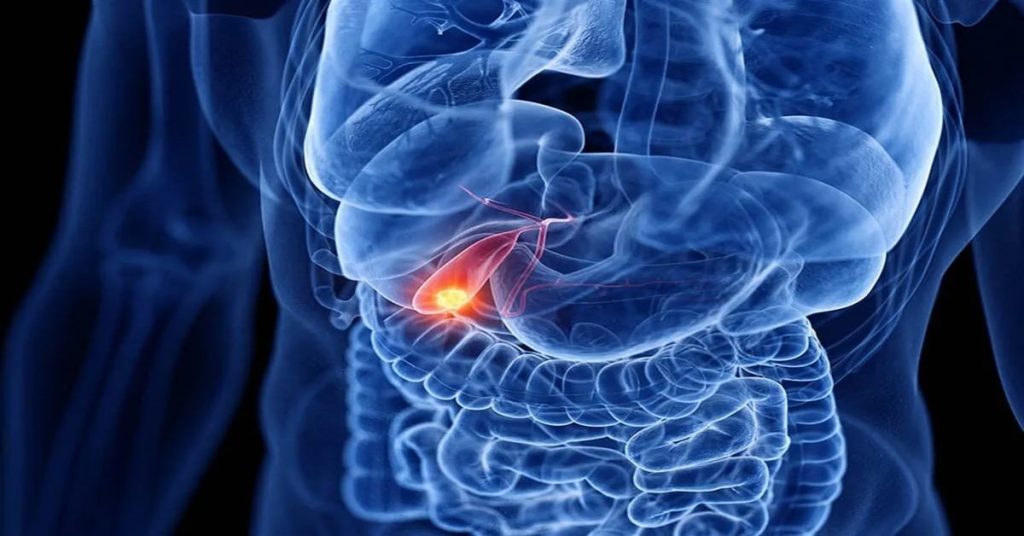
Safra yolu tıkanıklığı, safra akışının engellenmesi ile ortaya çıkar. Bu durum sindirim sistemini olumsuz etkiler. Sarılık, karın ağrısı ve mide bulantısı sık görülen belirtiler arasındadır. İlerleyen durumlarda enfeksiyon riski artabilir. Bu nedenle erken değerlendirme büyük önem taşır. Doğru tanı ile uygun tedavi planı oluşturulur.
Şikayetleri belirgin olan hastalar için bile duct obstruction surgery uygun bir seçenektir. Özellikle safra akışının tamamen engellendiği durumlarda tercih edilir. Şiddetli ağrı yaşayan kişilerde bu yöntem gündeme gelir. İlaç tedavisine yanıt alınamayan vakalarda cerrahi değerlendirme yapılır. Bu sayede tıkanıklık ortadan kaldırılır.
Tedaviye uygunluk belirlenirken tıkanıklığın nedeni incelenir. Safra taşları en sık nedenlerden biridir. Aynı zamanda tümörler veya darlıklar da etkili olabilir. Hastanın genel sağlık durumu değerlendirilir. Bu süreçte uzman kontrolü büyük önem taşır. Doğru yöntem seçimi tedavi başarısını artırır.
İleri vakalarda bile duct obstruction surgery kaçınılmaz hale gelir. Özellikle sarılığın arttığı durumlarda müdahale gerekir. Enfeksiyon gelişme riski olan hastalarda da tercih edilir. Bu işlem ile safra akışı yeniden sağlanır. Günlük yaşam konforu belirgin şekilde artar.
Sonuç olarak her hasta için farklı bir yaklaşım gerekir. Belirtilerin şiddeti tedavi planını belirler. Erken müdahale süreci kolaylaştırır. Bu nedenle şikayetler ihmal edilmemelidir. Doğru tedavi ile başarılı sonuçlar elde edilir.
Safra Yolu Tıkanıklığı Ameliyatı Hangi Durumlarda Kullanılır?
Safra yolu tıkanıklığı, safra akışının engellenmesi ile ortaya çıkar. Bu durum sindirim sistemini olumsuz etkiler. Safra bağırsaklara ulaşamaz. Bu nedenle yağ sindirimi zorlaşır. Karın ağrısı ve sarılık sık görülen belirtiler arasındadır. Bu durum zamanla ciddi sorunlara yol açabilir. Bu nedenle erken değerlendirme önemlidir.
Hastalığın başlangıç döneminde belirtiler hafif olabilir. Ancak süreç ilerledikçe şikayetler artar. Sarılık belirgin hale gelir. İdrar rengi koyulaşabilir. Dışkı rengi açılabilir. Bu belirtiler safra akışının ciddi şekilde etkilendiğini gösterir. Bu nedenle dikkatle takip edilmelidir.
Tıkanıklığın ileri seviyeye ulaştığı durumlarda bile duct obstruction surgery uygulanır. Özellikle safra taşlarının kanalı tamamen kapattığı vakalarda tercih edilir. Şiddetli ağrı ve enfeksiyon riski olan hastalarda müdahale gerekir. Bu işlem ile safra akışı yeniden sağlanır. Böylece belirtiler büyük ölçüde azalır.
Bazı durumlarda tıkanıklığın nedeni farklı olabilir. Tümörler veya daralmalar bu duruma yol açabilir. Bu tür vakalarda cerrahi yöntemler daha sık tercih edilir. Hastanın genel durumu dikkate alınır. Doğru tedavi yöntemi belirlenir. Bu süreçte uzman kontrolü önemlidir.
Tedavi sürecinde amaç tıkanıklığı ortadan kaldırmaktır. Aynı zamanda komplikasyon riskini azaltmak hedeflenir. Düzenli kontroller ile süreç takip edilir. Erken müdahale daha başarılı sonuçlar sağlar. Bu nedenle belirtiler ihmal edilmemelidir.
How is Bile Duct Obstruction Surgery Performed?
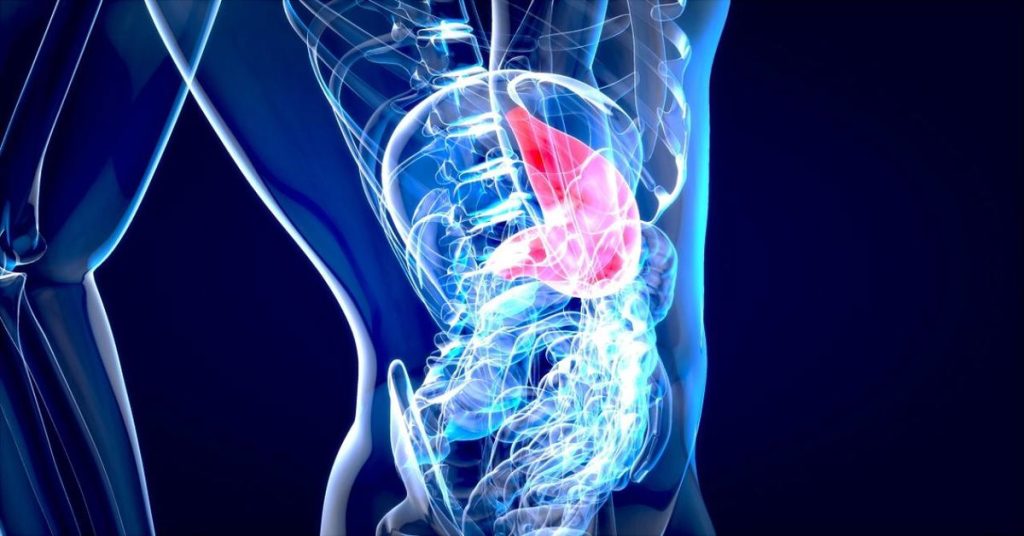
Safra yolu tıkanıklığı, safra akışının engellenmesi ile ortaya çıkar. Bu durum sindirim sistemini olumsuz etkiler. Safra bağırsaklara ulaşamaz. Bu nedenle yağ sindirimi zorlaşır. Karın ağrısı ve sarılık sık görülen belirtiler arasındadır. Bu nedenle doğru ve zamanında müdahale önemlidir.
Cerrahi planlama sürecinde bile duct obstruction surgery hastanın durumuna göre belirlenir. Öncelikle tıkanıklığın nedeni araştırılır. Safra taşları en sık görülen sebeplerden biridir. Aynı zamanda darlık veya tümör gibi durumlar da etkili olabilir. Bu nedenle detaylı görüntüleme yöntemleri kullanılır. Doğru planlama başarılı sonuç sağlar.
Ameliyat sırasında tıkanıklığa neden olan yapı ortadan kaldırılır. Safra kanalı açılır. Gerekli durumlarda taşlar temizlenir. Bazı vakalarda kanal genişletilebilir. Bu sayede safra akışı yeniden sağlanır. İşlem sırasında dokular korunmaya çalışılır. Bu durum iyileşme sürecini olumlu etkiler.
Bazı hastalarda kapalı yöntemler tercih edilebilir. Bu yöntemler daha az invazivdir. İyileşme süreci daha hızlı olabilir. Ancak her hasta için uygun olmayabilir. Bu nedenle yöntem seçimi uzman değerlendirmesi ile yapılır. Doğru teknik başarı oranını artırır.
Ameliyat sonrası süreç dikkatle takip edilmelidir. Doktor önerilerine uyum önemlidir. Düzenli kontroller aksatılmamalıdır. Bu sayede komplikasyon riski azaltılır. Doğru tedavi ile başarılı sonuçlar elde edilir.
What is the Process After Biliary Tract Obstruction Surgery?
Tıkanıklık ameliyatı sonrası süreç hastanın genel durumuna göre değişir. İlk günlerde dinlenme önemlidir. Vücut yapılan müdahaleye uyum sağlar. Hafif ağrı ve hassasiyet görülebilir. Bu durum genellikle kısa sürede azalır. Doktorun önerdiği ilaçlar düzenli kullanılmalıdır. Bu süreçte dikkatli olmak iyileşmeyi destekler.
İyileşme sürecinde beslenme düzeni büyük önem taşır. Yağlı ve ağır yiyeceklerden kaçınılmalıdır. Sindirimi kolay besinler tercih edilmelidir. Küçük porsiyonlar ile beslenmek fayda sağlar. Bu sayede safra sistemi zorlanmaz. Aynı zamanda bol sıvı tüketimi önerilir. Bu alışkanlıklar sürecin sağlıklı ilerlemesine katkı sağlar.
Hastalar genellikle kısa sürede günlük yaşama dönebilir. Ancak ağır fiziksel aktivitelerden kaçınılmalıdır. Ani hareketler karın bölgesini zorlayabilir. Bu nedenle kontrollü hareket etmek gerekir. Düzenli kontroller sürecin sağlıklı ilerlemesini sağlar. Bu sayede olası riskler erken fark edilir.
Ameliyat sonrası dönemde hijyen kurallarına dikkat edilmelidir. Enfeksiyon riskini azaltmak için yara bakımı düzenli yapılmalıdır. Doktorun önerdiği kontroller aksatılmamalıdır. Bu süreçte sabırlı olmak önemlidir. İyileşme süreci kişiye göre değişebilir. Bu nedenle düzenli takip gereklidir.
Uzun vadede bile duct obstruction surgery sonrası önerilere uyum sağlamak büyük önem taşır. Sağlıklı beslenme alışkanlığı korunmalıdır. Düzenli kontroller aksatılmamalıdır. Günlük yaşamda dikkatli olunmalıdır. Bu süreçte doğru alışkanlıklar kalıcı başarı sağlar.