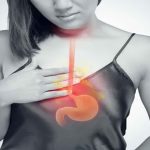
When stomach acid escapes into the esophagus, it causes burning and discomfort. Complaints may increase after meals and daily life is affected. At this point what is gastroesophageal reflux question becomes important. Symptoms can be controlled with early prevention.
What are the Symptoms of Gastroesophageal Reflux?

Gastric discomfort can quietly affect daily life. The most common complaints are a burning sensation in the chest, increased restlessness after a meal and a feeling of being stuck in the throat. These symptoms sometimes start mildly and intensify over time. The complaints, which increase especially when lying down, interrupt sleep and tire the person.
Burning sensation in the esophagus and bitter water in the mouth, gastroesophageal reflux is often associated with chest pain. Chest pain can sometimes be confused with heart pain. Belching, nausea and hoarseness may also be present. A prolonged cough and the need to clear the throat are also common.
In some people, symptoms fluctuate during the day. Fatty and spicy foods can increase symptoms. Coffee, chocolate and carbonated drinks trigger discomfort. Complaints may become more pronounced after bending or heavy lifting. This condition negatively affects social life and work performance.
When symptoms persist for a long time, quality of life is reduced. Gastroesophageal reflux can seriously increase this effect. Difficulty swallowing, persistent sore throat and chronic voice change should be carefully evaluated.
Symptoms that are recognized early can be controlled with the right living habits. Regular follow-up and conscious behavior prevent more serious problems.
What is Gastroesophageal Reflux? Who Has It?
Gastroesophageal refluxcaused by stomach acid backing up into the esophagus. It is a common digestive problem. It is characterized by burning in the chest, a bitter taste in the mouth and a feeling of irritation in the throat. Symptoms usually increase after meals and become more pronounced at bedtime. Over time, this can make daily life difficult and reduce the person's comfort.
This condition can occur in all age groups, but some people are at higher risk. In overweight individuals, stomach acid rises up more easily as intra-abdominal pressure increases. During pregnancy, hormones and the growing uterus can trigger this condition. Smoking and alcohol use also increase reflux complaints.
Eating habits play an important role. Fatty, spicy and acidic foods strain the stomach. Eating fast and consuming heavy meals late in the day can increase symptoms. Coffee, chocolate and carbonated drinks are also among the factors that trigger stomach acid.
A stressful lifestyle also increases the frequency of this problem. Long-term stress disrupts stomach acid balance. Complaints are more common in desk workers and people who sleep irregularly. Some medications can also weaken the stomach's protective mechanism.
Complaints can be taken under control when lifestyle is organized with early symptoms. Regular nutrition, weight control and the right habits protect stomach health. Small measures provide great relief in the long term.
What are Gastroesophageal Reflux Treatment Methods?

Treatment of stomach acid-related problems starts with lifestyle changes. Regular and balanced nutrition is of great importance. Avoiding fatty and spicy foods relaxes the stomach.
Eating small portions and eating slowly reduces symptoms. Not eating late at night also protects the stomach.
Medication comes into play when symptoms persist. Acid-reducing medicines can control heartburn. These medicines usually work in a short time. However, they should be used regularly and under the supervision of a doctor. Random use of medication can lead to different problems in the long term.
Together with lifestyle measures, permanent relief can be achieved in treatment. Gastroesophageal reflux is better controlled with this approach. Weight control reduces intra-abdominal pressure and makes it more difficult for stomach acid to rise. Quitting smoking and alcohol increases treatment success. Raising the head slightly while lying down also reduces night complaints.
In some cases, surgical methods may be considered. This option is considered in cases where there is no response to medication. The gastric valve is strengthened with minimally invasive techniques. The treatment process is planned individually and requires regular follow-up. The right method and disciplined approach provide long-term relief.
How to Prevent Gastroesophageal Reflux?
Stomach acid backing up into the esophagus can reduce quality of life. Taking precautions is the first step to reduce symptoms. It is important to eat slowly and choose small portions. Avoiding fatty, spicy and acidic foods can help to soothe the stomach.
Regular sleep and the correct sleeping position reduce complaints. A slightly elevated head helps prevent night reflux. Excess weight increases intra-abdominal pressure; therefore weight control is essential. Smoking and alcohol consumption also irritate the stomach. These habits should be avoided.
Stress can increase stomach acid and trigger reflux. Short walks, breathing exercises and relaxing activities in daily life reduce stress. When exercising, sudden and heavy movements should be avoided. Regular physical activity is beneficial for stomach health.
Conscious behavior is essential for long-term control. Regular nutrition, healthy habits and lifestyle measures are effective. What is gastroesophageal reflux The effects of the question can thus be reduced. If symptoms are recognized early, serious complications can be avoided.