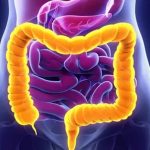
Ulcerative colitis is a chronic disease characterized by inflammation and sores on the lining of the large intestine. It progresses with periods of exacerbation and remission. Treatment of ulcerative colitis, It is designed both to control inflammation and to prevent recurrence of the disease. An individualized plan is created for each patient because the severity of the disease and the area affected can vary.
Who is Ulcerative Colitis Treatment Suitable for?

Ulcerative colitis is a disease that causes inflammation and sores on the surface of the intestine. Symptoms vary from time to time. Some people have a mild course, while others struggle with intense symptoms. Therefore, the course of the disease is carefully monitored to determine suitability for treatment.
For people with frequent exacerbations ulcerative colitis treatment is appropriate. Symptoms such as recurrent diarrhea, abdominal pain and bleeding make everyday life difficult. When these symptoms increase, the intestinal surface can be more easily damaged. Treatment aims both to reduce the symptoms and to prevent future damage. Therefore, it is important that people with increased symptom severity consult a doctor without delay.
Treatment is also necessary when the disease affects a large area of the intestine. Fatigue and loss of appetite are more pronounced in these people. Weight loss is also a sign that the disease is progressing. Symptoms may change more rapidly in children and young people. In this age group, regular follow-up is necessary to catch possible progression early.
Also for patients with weakened immune systems ulcerative colitis treatment is the right option. In these people, the inflammation progresses more aggressively. Long-term use of medication or chronic conditions reduce intestinal resistance. In cases that do not respond to treatment, additional methods are considered. This both alleviates symptoms and limits damage to the intestine.
As a result, this treatment is suitable for people with frequent exacerbations, large areas affected and weakened immunity. Early intervention significantly improves quality of life and facilitates disease control.
In Which Conditions Is Ulcerative Colitis Treatment Used?
Ulcerative colitis is a chronic disease that causes inflammation and scarring on the surface of the intestine. Symptoms may periodically increase or subside. Therefore, regular follow-up of the disease is important. Findings such as abdominal pain, bleeding and frequent stools indicate the onset of an exacerbation. Early evaluation plays a critical role in these periods.
In cases where the disease is exacerbated and affects daily life ulcerative colitis treatment is administered. Frequent attacks, intense diarrhea, blood in the stool or pain that wakes you up at night indicate this need. The treatment aims to reduce inflammation and protect the intestinal surface. This slows down the progression of the disease. The person's daily functioning improves. People with frequent attacks are also suitable candidates for this treatment.
In some patients, the symptoms are more aggressive. Weight loss, loss of appetite and severe fatigue are signs of this condition. Cramps that interfere with daily activities may indicate that the disease is progressing. Therefore, starting treatment is a step that should not be delayed. Early intervention can greatly prevent damage to the intestinal wall. Children and adolescents should also be closely monitored because of the rapidly changing symptoms.
Prolonged inflammation can increase the risk of bowel cancer. It is therefore important to control the disease. Regular medical follow-up and appropriate medication support help many patients to have milder flare-ups. management.
What are the Treatment Methods for Ulcerative Colitis?

Ulcerative colitis is a chronic disease that causes inflammation and scarring on the surface of the intestine. Symptoms may increase periodically. Abdominal pain, bleeding and frequent stools are the most common complaints. Therefore, regular follow-up of the disease is important. Early diagnosis reduces progressive intestinal damage.
Many different methods are used depending on the severity of the disease. In mild and moderate cases, medications that reduce inflammation are preferred. These soothe the intestinal lining and control flare-ups. For moderate and severe symptoms, stronger medication may be required. This approach prevents the disease from progressing to more advanced stages.
In advanced cases ulcerative colitis treatment requires a more comprehensive approach. Some patients use biologics. These target the immune system's overreaction and significantly reduce inflammation. In resistant cases, immunomodulatory drugs are also used. The aim is to stop damage to the intestinal surface and reduce the frequency of flare-ups. These treatments require regular follow-up. This is because the effect of the medication can vary from person to person.
In some patients, medication is not enough. In cases of bowel perforation or cancer risk, surgery is performed. In surgery, the diseased part of the intestine is removed. This procedure significantly improves the quality of life in many patients. The postoperative period varies according to the individual, but most patients experience long-term relief.
As a result, treatment methods are planned according to the severity of the disease and the needs of the individual. Regular follow-up, medication compliance and early intervention are the most important parts of the process. With the right approach, most patients can lead a stable and comfortable life for a long time.
What is the Process After Ulcerative Colitis Treatment?
Ulcerative colitis is a disease that progresses with attacks and periods of calm. The post-treatment period may vary depending on the severity of the disease and the person's response. During the healing period, the intestinal surface begins to recover. Symptoms are significantly reduced in this process. Abdominal pain, bleeding and diarrhea gradually subside in most patients. Regular follow-up is important during this period.
The most critical point after treatment is to prevent the disease from recurring. Since exacerbations can return at regular intervals, preventive medications should not be interrupted. Lifestyle also affects the process. A balanced diet, stress reduction and regular sleep support intestinal health. It should be kept in mind that certain foods can trigger symptoms. Therefore, it is beneficial to create an individualized nutrition plan.
Blood tests and endoscopic controls may be performed during the follow-up period. During these checks, the healing status of the intestinal surface is evaluated. The plan can also be updated when the patient's symptoms change. In some patients, remission may last for many years. In others, attacks may occur more frequently. This difference shows that the treatment plan should be personalized. Open communication with the doctor in the post-treatment period facilitates the management of the process.
At the end of all these stages, the level of healing and risk factors are reviewed. It is determined whether there is permanent damage to the intestinal surface. If there is no risky situation, control intervals can be extended. Early recognition of complaints can lead to a milder course of possible attacks. Regular follow-up and the right steps, ulcerative colitis treatment helps to lead a more balanced and comfortable life afterwards.