A hiatal hernia is a condition in which the floor of the stomach slides upward through the diaphragm (hernia space). This may cause stomach contents to leak back into the esophagus (reflux) and cause various disorders. Various treatments to relieve symptoms stomach hernia treatment There are.
Who Is Suitable for Stomach Hernia Treatment?
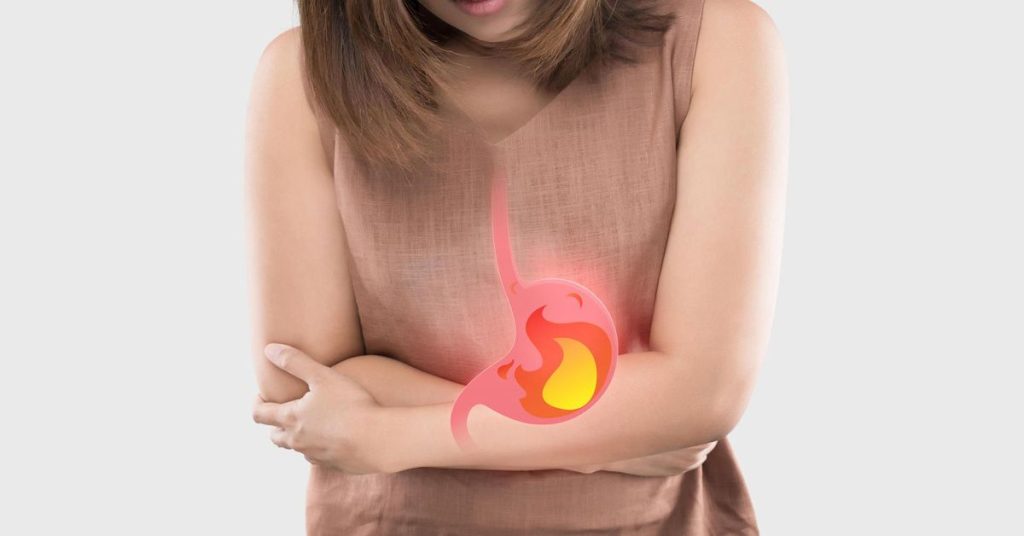
Mide fıtığı, midenin bir kısmının diyaframdan yukarı kayması ile oluşur. Bu durum genellikle reflü şikayetleri ile birlikte görülür. Göğüs yanması ve mide asidi yükselmesi sık yaşanır. Yemek sonrası rahatsızlık artabilir. Bu nedenle günlük yaşam konforu azalır. Doğru değerlendirme ile tedavi planı oluşturulur.
Şikayetleri belirgin olan kişiler için stomach hernia treatment uygun bir seçenektir. Sürekli reflü yaşayan bireyler bu gruba girer. İlaç kullanımına rağmen rahatlama sağlanamayan durumlarda değerlendirme yapılır. Yemek sonrası artan yanma hissi tedavi gerektirebilir. Bu sayede yaşam kalitesi artırılabilir.
Tedaviye uygunluk belirlenirken hastanın genel durumu dikkate alınır. Yaş ve yaşam tarzı önemli bir etkendir. Aynı zamanda fıtığın büyüklüğü de değerlendirilir. Hafif vakalarda yaşam tarzı değişiklikleri yeterli olabilir. İleri durumlarda daha kapsamlı yöntemler tercih edilir. Bu nedenle kişiye özel planlama yapılır.
Günlük yaşamı olumsuz etkileyen durumlarda stomach hernia treatment gerekli hale gelir. Sürekli mide yanması yaşayan kişilerde bu durum daha belirgindir. Gece şikayetleri artan bireyler için de tedavi önerilir. Bu sayede rahat bir yaşam sağlanır. Uzman kontrolü sürecin doğru yönetilmesini sağlar.
Sonuç olarak her hasta için farklı bir yaklaşım gerekir. Belirtilerin şiddeti tedavi planını belirler. Erken müdahale süreci kolaylaştırır. Bu nedenle belirtiler ihmal edilmemelidir. Doğru tedavi ile başarılı sonuçlar elde edilir.
In Which Situations Is Stomach Hernia Treatment Applied?
Mide fıtığı, midenin diyaframdan yukarı kayması ile oluşur. Bu durum genellikle reflü ile birlikte görülür. Göğüs yanması en sık belirtiler arasında yer alır. Yemek sonrası rahatsızlık hissi artabilir. Boğaza doğru asit kaçışı yaşanabilir. Bu durum günlük yaşamı olumsuz etkiler. Bu nedenle belirtiler dikkatle değerlendirilmelidir.
Hastalığın erken döneminde belirtiler hafif olabilir. Yaşam tarzı değişiklikleri ile kontrol sağlanabilir. Ancak zamanla şikayetler artabilir. Özellikle gece saatlerinde rahatsızlık belirgin hale gelir. Uyku kalitesi düşebilir. Bu süreçte tedavi ihtiyacı daha net ortaya çıkar. Bu nedenle düzenli takip önemlidir.
İlaçlara rağmen şikayetlerin devam ettiği durumlarda stomach hernia treatment uygulanır. Sürekli mide yanması yaşayan kişilerde bu durum belirgindir. Yutma güçlüğü oluşan bireylerde de değerlendirme yapılır. Boğaza asit kaçışı sık yaşanıyorsa tedavi gerekir. Bu aşamada uzman kontrolü büyük önem taşır.
İleri vakalarda cerrahi yöntemler gündeme gelebilir. Fıtığın büyüklüğü bu kararı etkiler. Günlük yaşamı ciddi şekilde etkileyen durumlarda müdahale kaçınılmaz hale gelir. Bu süreçte doğru planlama yapılmalıdır. Her hasta için farklı bir yaklaşım uygulanır.
Tedavi sürecinde amaç şikayetleri azaltmaktır. Aynı zamanda yaşam kalitesini artırmak hedeflenir. Düzenli kontrol ile süreç takip edilir. Doğru yöntem ile başarılı sonuçlar elde edilir. Bu nedenle belirtiler ihmal edilmemelidir.
What are the Methods of Stomach Hernia Treatment?
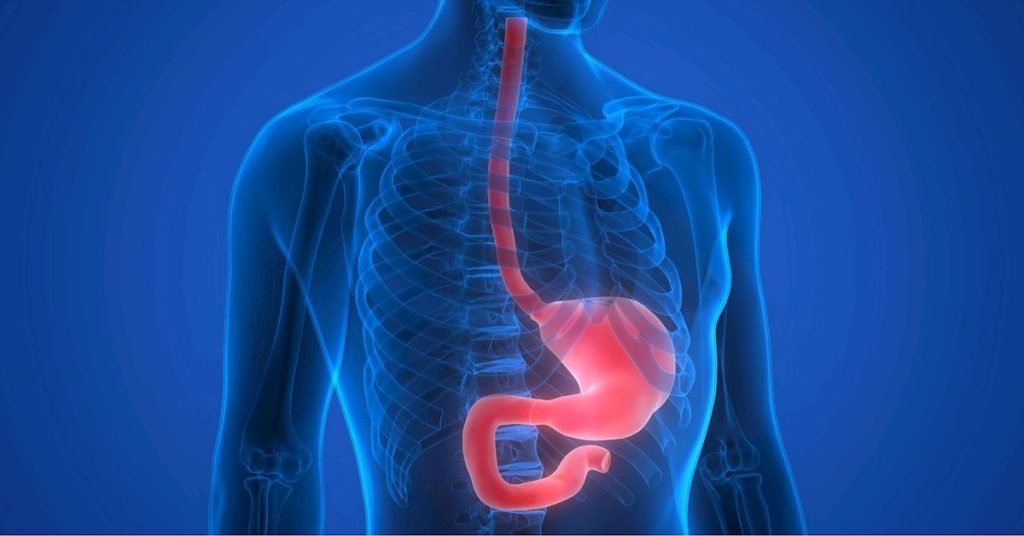
Fıtık tedavisinde amaç şikayetleri azaltmak ve yaşam kalitesini artırmaktır. Tedavi yöntemi hastanın durumuna göre belirlenir. Fıtığın büyüklüğü bu süreçte önemli bir etkendir. Hafif vakalarda yaşam tarzı değişiklikleri yeterli olabilir. Doğru beslenme alışkanlıkları büyük rol oynar. Bu nedenle erken değerlendirme önemlidir.
İlaç tedavisi stomach hernia treatment sürecinde sıkça tercih edilir. Asit azaltıcı ilaçlar şikayetleri hafifletir. Reflüye bağlı yanma hissi kontrol altına alınır. Bu yöntem genellikle ilk aşamada uygulanır. Düzenli kullanım ile rahatlama sağlanabilir. Bu süreçte doktor önerilerine uyum önemlidir.
Beslenme düzeni tedavinin önemli bir parçasıdır. Yağlı ve ağır yiyeceklerden kaçınılmalıdır. Küçük porsiyonlar tercih edilmelidir. Yemek sonrası hemen yatmamak gerekir. Bu alışkanlıklar şikayetleri azaltır. Günlük yaşam düzeni tedavi sürecini destekler.
İleri vakalarda cerrahi yöntemler gündeme gelebilir. Fıtığın büyüklüğü bu kararı etkiler. Diğer yöntemlerle sonuç alınamayan durumlarda tercih edilir. Cerrahi işlem ile mide eski konumuna getirilir. Bu sayede şikayetler büyük oranda azalır.
Tedavi sürecinde düzenli kontrol önemlidir. Belirtiler takip edilmelidir. Doğru yöntem ile başarılı sonuçlar elde edilir. Bu nedenle uzman değerlendirmesi büyük önem taşır. Erken müdahale süreci kolaylaştırır.
What is the Process After Gastric Hernia Treatment?
Fıtık tedavisi sonrası süreç hastanın durumuna göre değişir. İlk günlerde dinlenme önemlidir. Vücut yapılan müdahaleye uyum sağlar. Hafif ağrı ve hassasiyet görülebilir. Bu durum genellikle kısa sürede azalır. Doktorun önerdiği ilaçlar düzenli kullanılmalıdır. Bu süreçte dikkatli olmak iyileşmeyi hızlandırır.
Beslenme düzeni iyileşme sürecinde büyük rol oynar. Küçük porsiyonlar tercih edilmelidir. Ağır ve yağlı yiyeceklerden kaçınılmalıdır. Yemek sonrası hemen yatılmamalıdır. Bu alışkanlıklar mide üzerindeki baskıyı azaltır. Aynı zamanda reflü şikayetlerini kontrol altında tutar. Bu nedenle beslenme planına uyum önemlidir.
Hastalar genellikle kısa sürede günlük yaşama dönebilir. Ancak ağır aktivitelerden kaçınılmalıdır. Ani hareketler mide bölgesini zorlayabilir. Bu nedenle kontrollü hareket etmek gerekir. Düzenli kontroller sürecin sağlıklı ilerlemesini sağlar. Bu sayede olası riskler erken fark edilir.
Yaşam tarzı değişiklikleri uzun vadede önem taşır. Kilo kontrolü sağlanmalıdır. Düzenli egzersiz yapılmalıdır. Sigara ve alkol tüketimi sınırlandırılmalıdır. Bu alışkanlıklar tedavi sürecini destekler. Sağlıklı yaşam mide sağlığını korur.
Uzun vadede stomach hernia treatment sonrası önerilere uyum sağlamak büyük önem taşır. Düzenli kontroller aksatılmamalıdır. Beslenme alışkanlıkları korunmalıdır. Günlük yaşamda dikkatli olunmalıdır. Bu süreçte doğru alışkanlıklar kalıcı başarı sağlar.