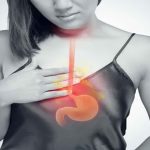
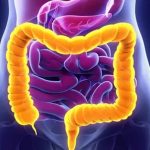
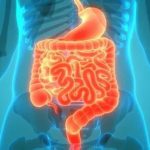
Abdominal pain and diarrhea are common symptoms of this disease. Bloody stools, weakness and weight loss can also occur. Fever and night sweats can sometimes accompany. Ulcerative colitis symptomsmay vary according to the severity of the disease. Early diagnosis is important in the treatment process. Consulting a doctor is essential for appropriate treatment.
What are the symptoms of ulcerative colitis?

This disease causes inflammation in the digestive tract and usually affects the large intestine. The most common symptom is abdominal pain. This pain is usually felt in the lower part of the stomach. The pain can often be worse after eating. It is also common for people to experience various digestive disorders.
Ulcerative colitis Another symptom of the disease is diarrhea. Diarrhea can often be bloody and the stool may contain mucus. There may be a frequent need to go to the toilet. However, blood in the stool becomes more noticeable in advanced stages of the disease. Diarrhea can severely affect daily life and weaken a person.
Fatigue is another common symptom of this disease. The person may feel extreme fatigue when performing daily activities. Fatigue is increased by poor nutrient absorption and inflammation. Weight loss is also a symptom of this disease. Weight loss occurs because the digestive system is not working efficiently.
Fever and night sweats can also be symptoms of the disease. Increased body temperature and sweating are usually caused by inflammation. This can be perceived as a sign of infection in the body. However, these symptoms may not be seen in every patient and may vary depending on the severity of the disease.
How Is Ulcerative Colitis Diagnosed?
The diagnosis of this disease is usually made through specific tests and examinations. The first step is to listen to the patient's complaints. The doctor asks about symptoms such as abdominal pain, diarrhea, bloody stools and weakness. This information gives an idea of the first signs of the disease. However, other methods are necessary for a definitive diagnosis.
During the physical examination, the doctor may check for pain by pressing on the abdomen. It also checks for blood in the stool. Examination, ulcerative colitis assesses the patient's health, but is not conclusive on its own. Further tests are necessary to make a definitive diagnosis.
Blood tests are also part of the diagnostic process. Blood tests can show whether there is inflammation in the body. A high level of white blood cells indicates an infection or inflammation. Blood tests can also be done to see if there are additional problems with the disease, such as anemia. However, blood tests alone are not enough.
Another important test is endoscopy. Endoscopy allows the doctor to see inside the large intestine. During this procedure, a tube is inserted into the intestine and any inflammation, wounds or ulcers are examined. These images provide information about the severity of the disease. A biopsy can also be taken and tissue samples examined.
How to Treat Ulcerative Colitis?

The treatment of this disease depends on the severity of the disease and individual circumstances. The first step is to control the symptoms. For this purpose, medication is often used. Medicines that help to reduce inflammation can help patients find relief. Medication can often require long-term use.
In addition to medication, diet and lifestyle changes are also important. Eating habits directly affect the digestive system. For this reason, ulcerative colitis patients should prefer low-fiber and easily digestible foods. It is recommended to avoid acidic, fatty and spicy foods. Reducing stress also contributes to the treatment process.
In severe cases, surgical intervention may be required. Surgical treatment is used in more advanced stages of the disease. With surgery, part of the inflamed intestine can be removed. This option is considered when drug treatment is inadequate. Patients may have a longer recovery period after surgery.
Sometimes immunosuppressive medicines are used. These drugs prevent the immune system from overreacting. This can make the course of the disease more controlled. However, these medicines must be used under the supervision of a doctor. Caution is needed as they can have side effects.
What are the Ways to Reduce Ulcerative Colitis Pain?
Inflammation of the intestine can cause digestive discomfort and strain. Controlling this condition improves quality of life. Proper nutrition is very important to relieve inflammation. High-fiber foods support digestion and soothe the intestines. Also, fatty and processed foods should be avoided.
Exercise improves the overall health of the body and keeps the bowels working properly. Regular exercise also helps to reduce stress, as stress can increase bowel problems. Light walks or relaxing exercises such as yoga are preferable. Excessive fatigue can trigger disorders, so it is important to maintain balance.
Drinking enough water makes the intestines work more smoothly. The body's need for water relaxes the digestive system and softens the stool, making it easier to pass. In addition, hot drinks soothe the intestines. Mint tea in particular can help reduce inflammation.
Doctor's advice and medication is also an important step. Medication to control inflammation can relieve symptoms. However, medication should only be under the supervision of a doctor. Probiotic supplements can reduce digestive problems by regulating the intestinal flora.
Lifestyle changes such as eating right, exercising and drinking enough water are essential to manage intestinal inflammation. It is also necessary to monitor symptoms and follow doctor's recommendations. Ulcerative colitis symptomscan be controlled with early treatment and proper care.