Patients' treatment is planned according to the stage of the cancer and their general health. What is colon cancer treatmentis an approach that includes methods such as chemotherapy. These methods are planned according to the patient's condition and the stage of the cancer. Surgical intervention usually involves removing the part of the colon where the tumor is located.
Who Can Be Treated for Colon Cancer?

Colon cancer is caused by the uncontrolled proliferation of malignant cells that start in the large intestine. Early detection of the disease increases the success of treatment. Therefore, it is important that people in the risk group undergo regular screenings. It usually occurs in adults aged 50 and over, but can occur at an earlier age in case of genetic predisposition.
For people diagnosed with cancer colon cancer treatment is planned according to the stage and the general health of the patient. Surgical intervention involves removing the tumor site. Chemotherapy and radiotherapy may be used to prevent the cancer from spreading or to reduce the size of the tumor.
Treatment is important not only for diagnosed patients but also for some high-risk groups. People with a family history of inflammatory bowel disease and a history of intestinal polyps are at risk. In these people, regular follow-up and early intervention, if necessary, can help prevent the disease from progressing.
Symptoms play a critical role in determining whether treatment is needed. Early diagnosis and appropriate intervention can improve quality of life. In the final stage, properly planned colon cancer treatment significantly improve patients' life expectancy and treatment success.
In Which Situations Is Colon Cancer Treatment Applied?
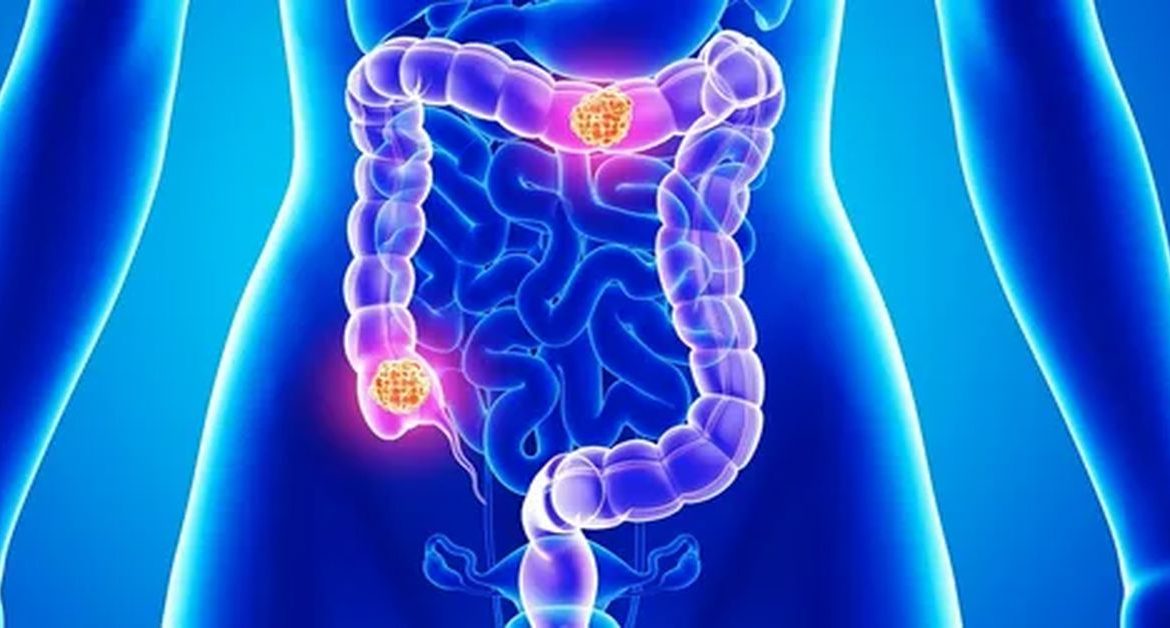
Colon cancer is caused by the uncontrolled proliferation of malignant cells that start in the large intestine. Early detection of the disease increases the success of treatment. For this reason, it is especially important for people in the risk group to undergo regular screenings. Symptoms usually include bloody stools, changes in bowel habits and abdominal pain.
The cause of cancer is often related to genetic predisposition, age and dietary habits. People with a family history of colon cancer and a history of intestinal polyps are at high risk. Regular check-ups and early detection play a critical role in preventing the disease from progressing.
Colon cancer treatmentdepending on the stage and spread of the cancer. Surgical intervention involves removing the tumor site. Chemotherapy and radiotherapy are preferred to shrink the tumor or prevent the cancer from spreading.
In addition, the patient's age, general health and comorbidities affect the treatment plan. These methods are tailored to each individual patient and administered by a multidisciplinary team.
In addition to treatment, lifestyle changes and dietary recommendations are also important. Regular exercise, a balanced diet and limiting smoking and alcohol use support the treatment process. Correctly planned Treatment, improves quality of life and protects patients' long-term health.
How is Colon Cancer Treated?

Chemotherapy and radiotherapy can be used to prevent the cancer from spreading or to reduce the size of the tumor. During the treatment process, doctors take into account the patient's age, chronic diseases and general health.
In patients diagnosed with cancer colon cancer treatmentis planned according to the stage of the disease and the general state of health. Surgery usually involves removing the part of the colon where the tumor is located.
The surgical procedure often aims to remove the cancerous tissue completely. Open surgery or laparoscopic methods can be used. Laparoscopic surgery is less invasive and recovery time is usually short. In the postoperative period, patients should pay attention to wound care. They should also pay attention to the risk of infection.
Chemotherapy is used to destroy cancer cells and reduce the risk of recurrence. Treatment is usually planned in several cycles and dose adjustments are made according to the patient's general condition. Radiotherapy is preferred especially in cases where the tumor needs to be shrunk.
In addition, dietary and lifestyle changes increase the success of treatment. Regular check-ups and follow-ups reduce the risk of recurrence. Psychological support and patient education are also important parts of the treatment process. Correctly planned treatment both prolongs life and improves the quality of life of patients.
What is Colon Cancer Treatment? What is the Aftermath?
When colon cancer is diagnosed, the treatment process is planned according to the stage of the disease and the general health status of the patient. Surgical intervention is applied for cancers detected at an early stage. This is usually the first method of choice. The surgeon removes the tumor and takes care to preserve healthy tissue. The patient's condition is closely monitored after surgery.
Chemotherapy and radiotherapy are used to destroy cancer cells and prevent the disease from spreading. Chemotherapy is usually planned in several cycles and dose adjustments are made according to the patient's general condition. Radiotherapy is preferred in cases where the tumor needs to be shrunk. These treatments can be applied in combination with surgery or separately.
The post-treatment period is very important to support recovery. Patients are followed up with regular check-ups and are asked to follow lifestyle recommendations. Paying attention to diet and doing light exercise supports recovery. Psychological support also boosts morale and motivation. Family support during the treatment process also facilitates patient compliance.
Correct and timely interventions reduce the risk of relapse and improve quality of life. As a result, a multidisciplinary approach is applied and long-term health goals are taken into account. In this context, appropriately planned what is colon cancer treatmentprolongs patients' life expectancy and improves treatment success.