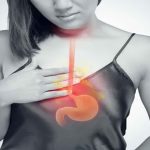
Symptoms such as heartburn and heartburn may occur after meals. This occurs when stomach contents back up into the esophagus. It usually develops due to malnutrition, overweight or stress. What is reflux? can be given a simple answer to the question. This is a digestive system problem caused by stomach acid rising up.
Reflux Symptoms

If the balance between the stomach and the esophagus is disturbed, the digestive system can be disturbed. One of these disorders is characterized by a burning sensation, especially in the chest area. This burning, which often occurs after meals, can progress to the throat over time. This sensation, which increases especially at night, can reduce the quality of sleep and negatively affect the person's daily life.
Although many people think of these complaints as simple indigestion, there may be more serious underlying causes. There may be a sour or bitter taste in the mouth. Waking up in the morning with a feeling of irritation in the throat and hoarseness may also occur. These symptoms can be signs that stomach acid is backing up into the esophagus. Over time, this can lead to irritation and inflammation of the esophagus.
RefluxIf left untreated for a long time, it can cause more serious problems. Therefore, symptoms should not be underestimated. It is especially important to consult a specialist if there are complaints such as difficulty swallowing, chronic coughing and the need to constantly clear your throat. This health problem is not limited to the stomach but can also affect other organs such as the throat and lungs.
Even small lifestyle changes can help to alleviate these symptoms. It is important not to eat before going to bed. Heavy and fatty foods should be avoided. Limiting smoking and alcohol consumption also helps to control symptoms. Regular medical check-ups are important to prevent possible complications.
What is Reflux? Who Has It?
Stomach contents escaping back into the esophagus refluxusually gives symptoms such as burning in the chest. This can cause discomfort in the digestive system. Complaints increase especially after meals or at night when going to bed.
This condition is associated with incomplete closure of the stomach valve or increased stomach pressure. Although the symptoms are sometimes confused with simple indigestion, it is necessary to consult a specialist when it recurs frequently.
Some groups are more likely to have this condition. Excess weight increases intra-abdominal pressure, increasing the pressure on the stomach, which can cause stomach acid to rise. Hormonal changes during pregnancy and the pressure on the stomach from the growing uterus have similar consequences.
In addition, the gastric valve may weaken in smokers, leading to more severe symptoms. Alcohol consumption, irregular diet and stress are among other factors that increase the risk.
Refluxvomiting can affect not only adults, but also babies and children. Babies may experience frequent vomiting, restlessness and sleep problems. In children, symptoms such as sore throat, cough and bad breath can occur.
Early diagnosis is very important. The condition can be controlled with lifestyle changes. This improves quality of life.
Reflux Treatment Methods

This condition, which occurs when stomach contents back up into the esophagus, can negatively affect quality of life. Treatment methods aim to alleviate the symptoms. They also try to prevent long-term complications.
Lifestyle changes are very effective in the first stage. Reviewing the diet reflux helps to reduce symptoms. Avoiding excessively fatty, spicy and acidic foods relieves pressure on the stomach.
It is important not to eat before bedtime. Smaller portions should be preferred. Do not lie down immediately after eating. In addition, sleeping on a bed with a slightly raised head may reduce the symptoms that occur at night. Smoking and alcohol use also have negative effects on the gastric valve and should be stopped or limited.
RefluxWhen these measures do not improve, medication comes into play. Medicines that reduce stomach acid help recovery. They also prevent irritation of the esophagus. Antacids, proton pump inhibitors and H2 receptor blockers are among the commonly used drug groups. In some advanced cases, surgical intervention may be required.
Laparoscopic operations can be performed for structural disorders of the stomach valve. These operations are usually successful. Treatment is planned individually. Therefore, it is important to follow the recommendations of the gastroenterologist.
How to Prevent Reflux?
There are some simple but effective measures that can be taken to prevent stomach acid from escaping into the esophagus. The first step is to review your eating habits. Excessive fatty, spicy and acidic foods can irritate the stomach and trigger discomfort.
Therefore, lighter and balanced meals should be preferred. In addition, lying down immediately after meals may increase stomach pressure and cause complaints to occur.
Another important point is portion control. Eating little and often puts less strain on the stomach and facilitates digestion. Eating before going to bed at night is one of the risk factors.
Going to bed at least two hours after dinner is a natural measure to prevent stomach contents from rising up. Raising the head of the bed slightly can also reduce the escape of stomach acid into the esophagus during the night.
It is closely related not only to diet, but also to general lifestyle. Smoking and alcohol use can worsen the condition. Avoiding or limiting these can be effective in reducing symptoms. At the same time, being overweight also increases pressure on the stomach. Exercising regularly and reaching the ideal weight can prevent such stomach problems.
It is important to maintain stomach health in the long term. This is why what is reflux It is important to understand the question well. It is also helpful to go for regular medical check-ups and follow the recommended treatments. These seemingly simple measures can improve quality of life.