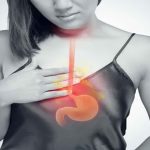
It aims to control the symptoms caused by stomach acid backing up into the esophagus without surgery. These methods are applied to improve the quality of daily life. What is the non-surgical treatment for reflux? this is exactly the answer to the question. The aim is to reduce symptoms and help the esophagus to heal. Reflux reduces the quality of life for many people.
What is Non-Surgical Reflux Treatment? Who Is It Performed?

Reflux is a condition that occurs when stomach acid backs up into the esophagus. Symptoms such as burning in the chest, heartburn and throat irritation make daily life difficult. Sleep patterns may be disturbed and food consumption may cause discomfort. Therefore, non-surgical methods are needed.
For most patients, the treatment process starts with lifestyle changes. At this stage Reflux treatment without surgeryis an effective option to alleviate symptoms. Reducing meals, not eating late and avoiding acidic foods are important steps. Losing excess weight reduces the pressure on the stomach. Medication helps the esophagus to heal by reducing stomach acid. With regular use, complaints are significantly reduced.
The patient's condition is determined by evaluating the treatment. Patients with moderate complaints who do not require surgery get good results with these methods. It is also a safe option for people whose reflux complaints increase during pregnancy. In age-related reflux problems, drug treatment and lifestyle adjustments are planned together. In overweight patients, results become more effective with weight control. In this process, it is important to proceed in line with the doctor's recommendations.
As a result, treatment methods applied without surgery provide permanent relief in many patients. Reduced symptoms improve quality of life. When stomach acid is under control, the esophagus also recovers over time. When planned correctly, the patient's daily life becomes easier. Reflux treatment without surgeryoffers an important solution for people seeking effective healing without the need for surgery.
In Which Situations Is Non-Surgical Reflux Treatment Used?
Reflux is a problem that occurs when stomach acid escapes back into the esophagus. The most common symptoms are burning in the chest, heartburn and bitter water in the mouth. This condition makes daily life difficult over time. The person may be uncomfortable eating, lying down and even talking. Therefore, the right treatment approach is of great importance.
Methods applied without the need for surgical procedures are the first choice for many patients. Lifestyle changes form the basis of treatment. Consuming small portions and reducing acidic beverages alleviate complaints. Losing excess weight reduces the pressure on the stomach. Medication also reduces irritation in the esophagus by lowering stomach acid. With regular use, symptoms are largely controlled.
In cases of moderate disease Reflux treatment without surgery gives effective results. If stomach acid is at a controllable level, these methods provide relief. It can also be safely applied in women who experience reflux during pregnancy. In age-related reflux complaints, drug treatment and lifestyle adjustments are planned together. Endoscopic methods can reduce reflux by strengthening the structure between the stomach and esophagus. These procedures do not involve surgery and the healing process is shorter.
The treatment to be used varies from person to person. The patient's age, lifestyle, severity of the complaint and the condition of the esophagus are evaluated. Non-surgical options provide a great advantage in patients who are not suitable for surgery. Since the recovery period is short, the patient returns to his/her daily life quickly. When applied correctly, these methods offer both safe and effective treatment. Thus, reflux complaints are taken under control and quality of life is significantly improved.
What are the Non-Surgical Reflux Treatment Methods?

Reflux is a common digestive problem caused by stomach acid backing up into the esophagus. The most common symptoms are burning in the chest, heartburn and bitter water in the mouth. These complaints make daily life difficult over time. The person may experience a decrease in both diet and sleep quality. For this reason, methods that do not require surgical procedure become an important option for many patients.
The first step is lifestyle changes. In this process Reflux treatment without surgeryis particularly effective in mild and moderate patients. Reducing meals, not eating late and avoiding acidic foods reduce complaints. Losing excess weight reduces the pressure on the stomach. Keeping the head in an elevated position alleviates night reflux. Reducing smoking and alcohol consumption also makes the esophagus less irritated. Although these changes may seem simple, they provide significant relief in most patients.
Drug therapy supports lifestyle adjustments. Proton pump inhibitors reduce stomach acid. H2 receptor blockers regulate acid production. In some patients, drugs that accelerate stomach movements are also used. These drugs allow the stomach to empty faster and prevent acid from escaping upwards. Symptoms are significantly reduced with regular use.
Endoscopic methods constitute the advanced stage of non-surgical options. In these methods, the valve area between the stomach and the esophagus is strengthened. The procedure is performed through the mouth and does not require a surgical incision. The recovery period is short and the patient can easily return to his/her daily life. This method provides an important advantage especially for patients who do not respond well to medication.
In conclusion, non-surgical methods offer an effective and safe solution in many patients. When lifestyle changes, medication and endoscopic procedures are planned together, the results are more successful. Therefore, non-surgical treatment is a strong option for many people suffering from reflux.
What is the Process After Non-Surgical Reflux Treatment?
The post-treatment process is shaped by the patient's living habits and response to treatment. The first goal after treatment is completed is to ensure that the symptoms are completely under control. Reducing the contact of stomach acid with the esophagus and minimizing irritation is very important during this period. Therefore, patients need to make some adjustments in their daily routines.
In the first few days, there is a slight relief. Complaints of burning and heartburn in the chest decrease. If medication is used, the dose and duration recommended by the doctor should be followed. Medications are usually used more intensively in a certain period and then reduced. In this process, it is aimed to keep stomach acid under control. The irritation in the esophagus eases over time and tissue healing begins. In addition, lifestyle changes increase the effectiveness of the treatment. Reducing meals, not eating late and avoiding acidic foods significantly increases the speed of recovery.
As the healing process continues, the patient starts to feel more comfortable. Night awakenings decrease and postprandial complaints are alleviated. At first, using a high pillow and avoiding alcohol and caffeine are beneficial. Weight control supports the treatment by reducing the pressure on the stomach. In some patients, recovery may be slightly faster if endoscopic procedures were performed during this period.
As a result, this is a period of recovery that improves the patient's quality of life. The reduction of symptoms and the healing of the esophagus become more pronounced over time. With the right habits and regular follow-up, the results of treatment are more permanent. All these stages, What is non-surgical reflux treatment? shows that the question is not only about the moment of treatment, but also about the aftermath.