A respiratory infection occurs when foreign substances enter the airways from areas such as the mouth, throat, or stomach. Aspiration pneumoniaIt develops when bacteria or germs reach the lungs. The infection leads to inflammation in the lungs. This can cause symptoms such as cough, fever, and shortness of breath.
What is aspiration pneumonia?
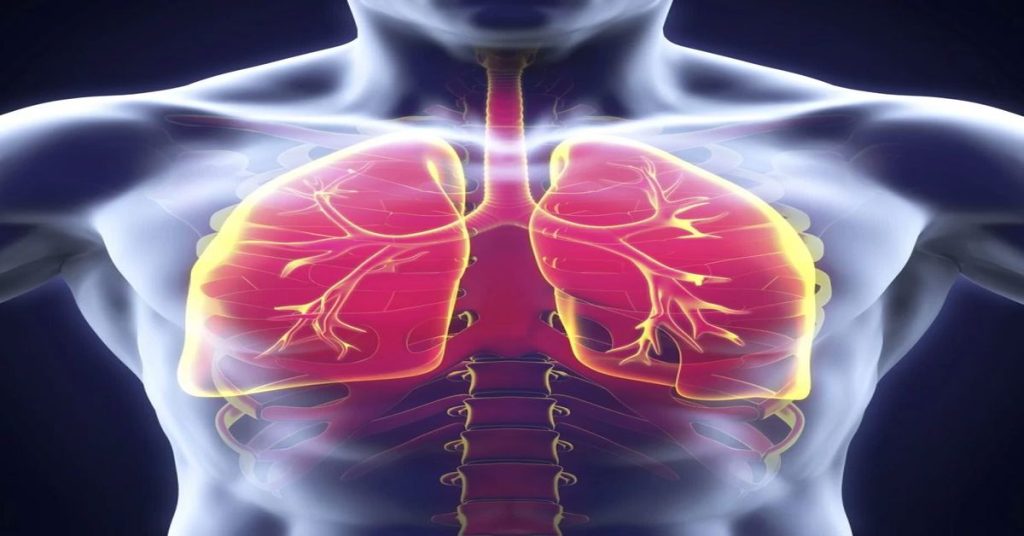
Foreign objects entering the lungs can lead to serious health problems. In particular, food, liquids, or stomach contents entering the respiratory tract increases the risk of infection.
This condition is usually seen in people with a weak swallowing reflex. The elderly, stroke patients, and individuals who have lost consciousness are at higher risk. If not detected early, the condition can worsen.
To this table aspiration pneumonia It is called lung disease. An infection develops in the lung tissue, making breathing difficult. Cough, fever, and phlegm are the most common symptoms. Shortness of breath and chest pain may also occur. Some patients experience weakness and confusion. Early diagnosis increases the success of treatment.
Neurological diseases are a significant risk factor. Difficulty swallowing can develop after Parkinson's disease, Alzheimer's disease, and stroke. Prolonged bed rest also increases the risk. Protective reflexes are weakened in individuals who use alcohol and experience loss of consciousness. This makes it easier for foreign substances to enter the lungs.
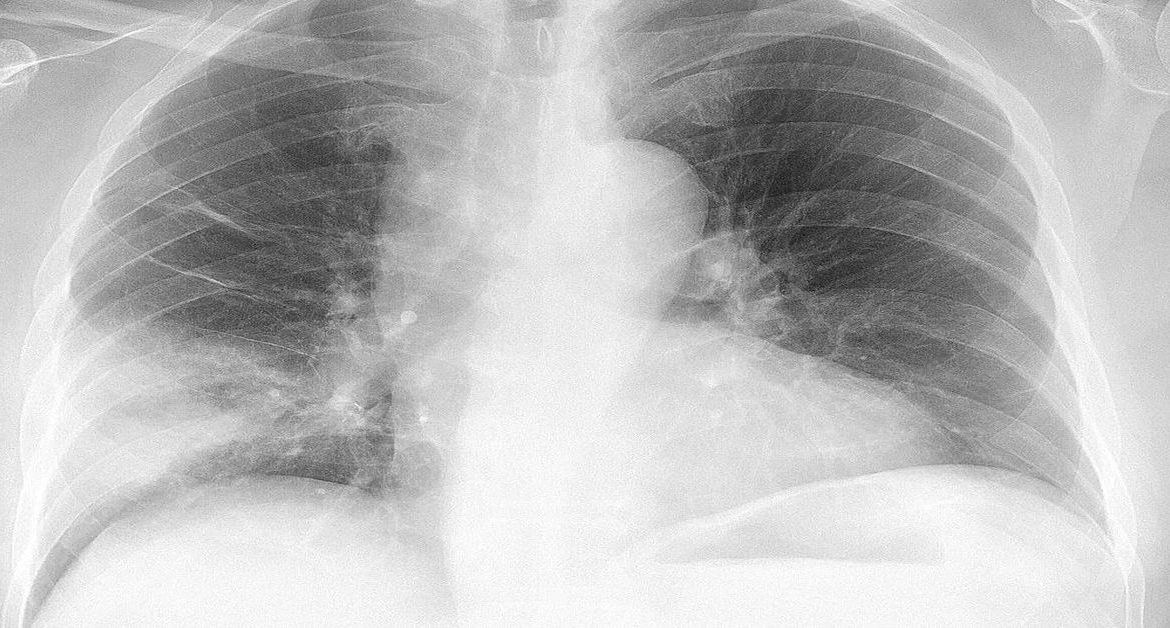
Diagnosis is usually made through clinical examination and chest X-ray. In suspicious cases, blood tests and advanced imaging techniques are used, especially in patients at risk. aspiration pneumonia It can progress rapidly. Therefore, early intervention is vital.
Causes and Symptoms of Aspiration Pneumonia
Aspiration pneumoniaLung infection is an infection caused by food, liquid, or stomach contents entering the lungs. This usually occurs when the swallowing reflex is weakened. Elderly individuals, stroke patients, and those who have lost consciousness are at higher risk. If not detected early, it can lead to serious respiratory problems.
The most common cause is difficulty swallowing. Neurological diseases such as stroke, Parkinson's, and Alzheimer's can predispose to this problem. Prolonged bed rest also increases the risk. Alcohol consumption and suppression of consciousness after anesthesia reduce protective reflexes. In this case, foreign objects can easily enter the lungs.
Symptoms usually begin suddenly. Cough is the most common complaint. Fever and phlegm may accompany it. Shortness of breath and chest pain may develop. Some patients experience weakness and confusion. Symptoms may be milder in elderly individuals.
As lung infections progress, oxygen levels can drop. This can lead to cyanosis (bluish discoloration of the skin) and rapid breathing. If left untreated, the condition can worsen. Therefore, close monitoring of individuals at risk is crucial.
Who gets aspiration pneumonia?
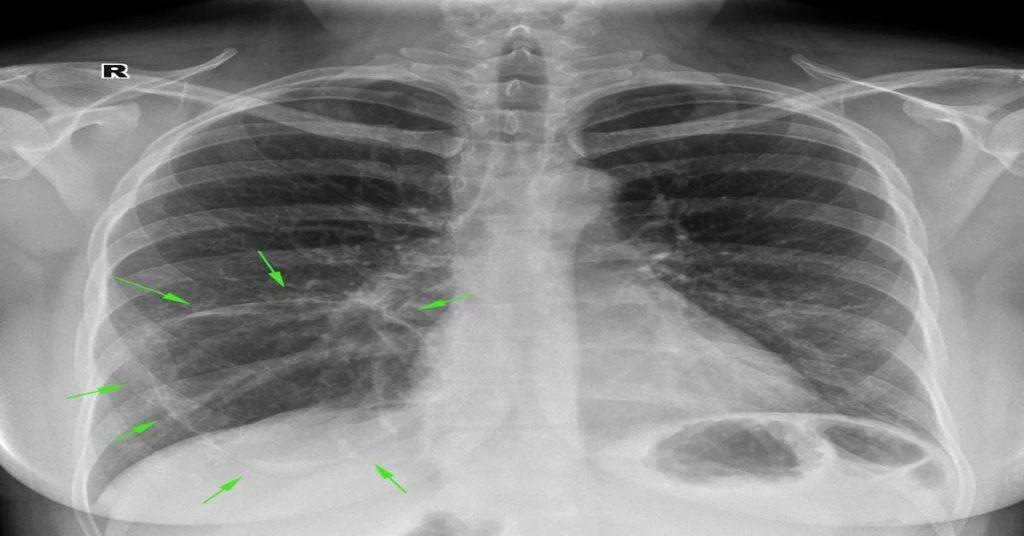
Aspiration of foreign objects into the lungs can lead to serious problems. The elderly, stroke victims, and those who have lost consciousness are at higher risk. Individuals with a weak swallowing reflex can easily inhale food or liquids into their airways. Coughing and a feeling of choking are common in these individuals.
Children and infants are also at risk. Because their swallowing skills are not fully developed, some food can enter their respiratory tract. Infants are at risk after vomiting. If the contents enter the lungs, serious complications can occur. Weak reflexes during sleep also increase the risk.
Adults are at risk when they have certain illnesses. These people aspiration pneumonia They are more susceptible to it. Neurological diseases such as Parkinson's, Alzheimer's, and stroke affect the swallowing muscles. Prolonged bed rest or hospitalization in intensive care also increases the risk. Alcohol or sedative use suppresses reflexes and increases the likelihood of foreign substances entering the lungs.
Most patients present with sudden cough, shortness of breath, and chest pain. Fever and malaise are sometimes present. In older individuals, symptoms may be more subtle. Therefore, close monitoring and early intervention are vital.
Diagnosis involves a physical examination and a chest X-ray. Blood tests or further imaging studies may be added in suspicious cases. Early diagnosis improves treatment success. Individuals at risk should be closely monitored and take preventative measures. This reduces complications.
What are the treatment methods for aspiration pneumonia?
Aspiration is a serious condition caused by food, liquid, or stomach contents entering the lungs. Initial symptoms typically include cough, shortness of breath, and chest discomfort. Some patients may also experience fever and fatigue. If not detected early, the condition can rapidly worsen. Individuals at risk, particularly the elderly and those with weakened swallowing reflexes, should be closely monitored.
Treatment options vary depending on the case. For mild infections, rest and supportive care may suffice. In moderate and severe cases, antibiotics may be used. aspiration pneumonia Treatment is administered. Doctors may also recommend respiratory support and oxygen supplementation. During treatment, the patient's swallowing function is closely monitored, and the feeding method is changed if necessary.
Surgical intervention is rarely necessary. If a foreign object is lodged in the lung or if serious complications have occurred, a bronchoscopic procedure is performed. This cleans the lung and reduces the risk of infection. Patients are closely monitored after surgery.
The recovery process depends on the patient's overall health and age. Regular check-ups and adherence to doctor's recommendations are important. Dietary habits should be reviewed. Swallowing exercises and hygiene measures reduce the risk of recurrence.