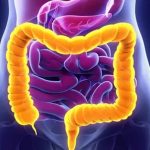
It forms the last part of the large intestine. Tumors that develop in the rectum are considered together with bowel cancers. This disease rectal cancer is referred to as a "fungus". It often progresses slowly and may not show symptoms at an early stage. Regular screenings are therefore of great importance.
Symptoms and Causes of Rectal Cancer

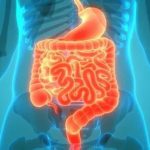
The intestinal system plays a vital role in digestion and the removal of waste from the body. Problems in this system can directly affect the quality of daily life. Some diseases progress silently for a long time. By the time symptoms appear, the picture may be advanced. It is therefore important to recognize changes in the digestive system. Early warning signs are often ignored.
When certain complaints become apparent rectal cancer should come to mind. Bleeding from the anus is one of the most common symptoms. Blood in the stool should be taken into consideration. Bowel habits may change. Constipation and diarrhea attacks may occur successively. Thinning of the stool is also an important finding. Fatigue and unexplained weight loss may accompany the picture.
Many factors play a role in the development of this disease. Advanced age is an important risk factor. The risk increases in people with a family history. Fiber-poor eating habits can also be effective. A diet high in red meat negatively affects intestinal health. Smoking and alcohol use are among other factors that increase the risk. Sedentary life also weakens intestinal functions.
In some cases, more than one factor plays a role. Rectal cancerusually develops over many years. Chronic bowel diseases can accelerate this process. Regular screenings are therefore of great importance. Treatment success is high in cases detected at an early stage.
Who Can Get Rectal Cancer?
Diseases of the intestinal tract can affect any age group. However, some diseases are more common in certain groups. Lifestyle, eating habits and genetic structure determine this risk. Diseases that progress without symptoms for a long time are often recognized late. Therefore, knowing the risk groups is important for early diagnosis.
Advanced age is one of the most important risk factors. Especially after the age of 50, the risk increases significantly. Cellular regeneration slows down with age. Intestinal tissue becomes more vulnerable to environmental influences. The risk may start earlier in people with a family history. If first-degree relatives have a history of bowel cancer, follow-up should be done more frequently. Genetic predisposition may be decisive at this point.
In some individuals rectal cancer is more likely to develop. Long-term intestinal inflammation is included in this group. Ulcerative colitis and similar diseases can increase the risk. People who eat a fiber-poor, fat-rich diet are also at risk. A diet high in red meat negatively affects this process. Smoking and alcohol use are also important factors. Sedentary lifestyle weakens intestinal health.
The incidence in men is slightly higher than in women. However, women are not excluded from the risk group. Overweight and obesity can trigger bowel diseases. Participation in regular screening programs is therefore of great importance. Early diagnosis in people in the risk group increases the success of treatment. Check-ups without waiting for symptoms can be life-saving.
What are the Treatment Methods for Rectal Cancer?

The stage of the disease is of great importance when formulating a treatment plan. The location, size and spread of the tumor to surrounding tissues are evaluated. The general health status of the patient is also taken into account in the decision-making process. The aim is to control the disease and maintain quality of life. For this reason, treatment is planned by using more than one method together. A multidisciplinary approach increases success.
Early and middle stages rectal cancer Surgery is the mainstay of treatment. Tumorous tissue is removed by surgery. Some patients may undergo radiotherapy or chemotherapy before surgery. These methods aim to shrink the tumor. Additional treatments may be planned to reduce the risk of recurrence after surgery. The order and duration of treatment is determined individually.
Radiotherapy is a frequently used method, especially depending on the location of the tumor. It aims to destroy cancer cells with high-energy rays. Chemotherapy works through the blood. This treatment targets cancer cells circulating in the body. In some cases, both methods are used together. This combination can increase the effectiveness of treatment.
Follow-up after treatment is of great importance. The course of the disease is monitored with regular controls. Side effects can be recognized and managed at an early stage. Diet and lifestyle changes also support the process. Long-term success rates are high with early diagnosis and the right treatment plan. Therefore, active participation in the treatment process is of great importance.
What is the Process After Rectal Cancer Treatment?
After the treatment is completed, the recovery process should be carefully planned. In the first weeks, the body tries to recover. The effects of surgery or additional treatments gradually diminish. Fatigue may be common during this period. The digestive system tries to adapt to the new order. It is important that the patient does not strain himself/herself. Rest and regular nutrition are essential parts of the process.
Follow-up is an integral part of treatment. The general condition is assessed at regular check-ups. Necessary blood tests and imaging may be performed. The aim is to recognize possible problems early. Changes in bowel habits may occur in the post-treatment period. This tends to improve over time. Compliance with the diet recommended by the physician facilitates the process.
Psychological recovery is as important as physical recovery. Patients may sometimes experience anxiety and uncertainty. The return to daily life should be gradual. Social support plays a big role during this period. Light exercises can improve general fitness. However, each activity should be planned in consultation with a physician. Patience is the key to recovery.
Long-term follow-up is essential to maintain the success of treatment. Rectal canceris a disease that requires regular follow-up after treatment. Check-ups aim to detect possible recurrence risk at an early stage. Healthy living habits support this process. A balanced diet and active life are important. If symptoms recur, evaluation should be made without delay. With proper follow-up, quality of life can be preserved to a great extent.