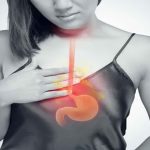
It is a chronic digestive disorder that occurs when stomach contents back up into the esophagus. Normally, stomach acid stays in the stomach to digest food. However, in some cases, the valve between the stomach and the esophagus does not work properly and stomach acid escapes upwards. Gastroesophageal refluxIt causes burning, pain and discomfort in the esophagus.
What are the Symptoms of Gastroesophageal Reflux?

It is a chronic disease of the digestive system that occurs when stomach contents back up into the esophagus. This causes irritation of the esophagus with stomach acid. Reflux starts mildly. However, over time, it can manifest itself with uncomfortable symptoms that affect quality of life.
The most common symptom is a burning sensation in the chest area. This burning can start in the stomach area and spread to the chest and throat. This burning sensation becomes more pronounced, especially after meals or when lying down. A bitter or sour taste in the mouth is also a common complaint. This is caused by stomach contents reaching from the esophagus to the mouth.
Some patients may have a constant tickling sensation in the throat. Prolonged dry cough, hoarseness and throat irritation are also symptoms of reflux. A hoarse voice in the morning or discomfort when swallowing are also common symptoms. Some people may experience nausea and bloating during or after eating.
Reflux symptoms can sometimes be confused with stomach pain and indigestion. Therefore, if symptoms become more frequent or severe, a specialist should be consulted. Reflux diagnosed at an early stage can be controlled with lifestyle changes and appropriate treatment. Taking symptoms seriously is very important to prevent long-term complications.
What Causes Gastroesophageal Reflux?
Gastroesophageal refluxis a chronic disease of the digestive system that occurs when stomach contents back up into the esophagus. The main cause of this condition is that the lower esophageal sphincter (LES) does not work strongly enough. Under normal conditions, this valve prevents stomach contents from going upwards. However, in some cases, this muscle relaxes or weakens and acidic stomach contents move up into the esophagus.
Many factors play a role in the development of reflux. One of the most common causes is dietary habits. Consumption of excessively fatty, spicy, acidic foods and drinks increases stomach acid and can trigger reflux. Eating large portions of food or going to bed immediately after eating also increases stomach pressure. This also predisposes to reflux.
Excess weight and abdominal fat can put pressure on the stomach and cause acid to rise up. Smoking both increases stomach acid and weakens the function of the sphincter. Similarly, alcohol consumption causes the valve between the stomach and esophagus to relax.
Pregnancy increases the risk due to changes in hormone levels and the growing uterus putting pressure on the stomach. Some medications can cause reflux as a side effect because they relax the stomach muscles.
In conclusion, gastroesophageal reflux It is a condition associated with lifestyle and environmental factors. However, it is largely preventable with proper nutrition, maintaining an ideal weight and avoiding harmful habits.
How is Gastroesophageal Reflux Treated?

Gastroesophageal refluxis a chronic disease of the digestive system caused by stomach contents backing up into the esophagus. Left untreated, it reduces quality of life and can cause permanent damage to the esophagus. Therefore, early intervention is of great importance when symptoms are recognized. Reflux treatment is usually planned according to the severity of the disease and consists of three basic approaches: lifestyle changes, medication and surgical methods.
The first step in mild and moderate cases is lifestyle changes. Avoiding foods and beverages that trigger reflux, eating little and often, and not going to bed immediately after a meal. Getting rid of excess weight and quitting smoking help alleviate symptoms. Sleeping with the head slightly elevated also supports this process.
In cases where these measures do not yield sufficient results, drug treatment is initiated. Proton pump inhibitors (PPIs), H2 receptor blockers and antacids are commonly used to reduce stomach acid. These medications both control stomach acid and help the esophagus to repair itself.
Surgical treatment may be considered in patients with severe reflux or in patients who do not respond to medication. One of the most common methods is laparoscopic fundoplication. In this procedure, the upper part of the stomach is wrapped around the lower end of the esophagus to prevent reflux.
In conclusion, gastroesophageal reflux It is a disease that can be controlled when treated correctly and on time. With appropriate treatment, patients can continue their daily lives comfortably. They can also be protected from long-term complications.
What Should Be Considered After Gastroesophageal Reflux Treatment?
Gastroesophageal reflux There are some points to prevent the disease from recurring after treatment. Lifestyle and eating habits should be carefully regulated to maintain stomach health.
Symptoms can be controlled with medication or surgical treatment. However, some habits in daily life need to be changed for long-term success.
After treatment, foods and beverages that may upset the stomach should be avoided. Spicy, fatty and acidic foods may reappear reflux complaints.
Frying, chocolate, mint, coffee and carbonated drinks can also increase stomach acid. Alcohol consumption can also trigger reflux.
Eating small and frequent meals makes digestion easier. It is also important to avoid overfilling the stomach. Do not go to bed immediately after a meal. It is recommended to stay in an upright position for at least 2-3 hours.
Keeping the head slightly elevated while sleeping prevents stomach acid from escaping into the esophagus. This reduces night reflux attacks. Excess weight can increase the risk of reflux. Therefore, it is useful to reach a healthy weight.
Smoking weakens the gastric valve and increases acid production. It is very important to stay away from smoking after treatment.
Regular exercise and reducing stress also contribute to reflux control. In addition, doctor controls should not be neglected.
Gastroesophageal reflux Careful and conscious behavior in the post-treatment period prevents recurrence. Long-term comfort can be achieved with small but constant habits.