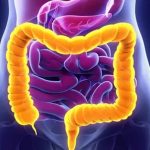
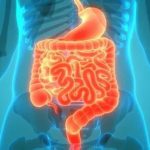
It is a common digestive problem of the large intestine. It is characterized by abdominal pain, gas, bloating and diarrhea or constipation. Irritable bowel syndrome is a chronic disease. The exact cause is unknown. Stress, nutrition and hormonal changes can trigger it. It is not life-threatening. However, it reduces the quality of life. Treatment can be achieved with lifestyle changes and diet.
What are the Symptoms of Irritable Bowel Syndrome?

The most common symptoms are pain and cramps in the lower abdomen, usually in the lower parts. These pains are usually relieved after passing gas or going to the toilet.
The intensity of the pain can vary throughout the day and can be increased by factors such as stress, certain foods or menstruation.
Bloating may increase as the day progresses and may cause clothes to feel tight or a feeling of pressure in the abdomen. It is seen as hard stools and decreased frequency of going to the toilet as a result of slow bowel movements.
It may be accompanied by symptoms such as difficulty going to the toilet, feeling of incomplete emptying and painful defecation. This symptom is at the forefront in the predominant type of constipation. In some patients, bowel movements accelerate and watery stools occur. Diarrhea usually starts in the morning and can be exacerbated by stressful situations.
Irritable bowel syndrome The abdominal pain or discomfort experienced by individuals experiencing abdominal pain or discomfort is significantly reduced after going to the toilet. This is also an important clue for the diagnosis of the disease. The shape, consistency or color of the stool may be different from normal.
The stool can sometimes be watery and fragmented, sometimes hard and lumpy like goat droppings. Some patients also report mucous stools. Especially in diarrhea-prone patients, there may be a sudden and irresistible need to use the toilet. This can have a negative impact on daily and social life.
After defecation, there may be a feeling that the bowels are not completely empty, even if defecation is complete. This feeling can cause restlessness and a desire to go to the toilet again. It is closely related to stress. Symptoms increase markedly during periods of intense anxiety, worry or mental tension.
Therefore, psychological support may also be important in treatment. Along with the physical symptoms, there is also general weakness, low energy and difficulty falling asleep. This can seriously affect the patient's quality of life.
What Causes Irritable Bowel Syndrome?
There is a two-way neural network between the gut and the brain. When this communication is disrupted, the intestine may overwork or slow down. This causes complaints such as abdominal pain, gas and bloating.
Muscles in the intestinal walls help digest food and remove waste. If these muscles work too fast or too slow, it can lead to diarrhea or constipation.
When the balance of beneficial bacteria living in the gut is disturbed, the digestive system can become sensitive. These changes can also affect the immune system irritable bowel syndrome increase your symptoms.
Some people may develop it after a previous intestinal infection. This condition is called "post-infectious IBS". It is especially common after food poisoning. Psychological conditions such as stress, anxiety and depression directly affect bowel function.
Because of the connection between the brain and the gut, emotional states cause sensitivity in the gut. Without any allergy, certain foods can irritate the intestines. It can trigger symptoms. It is more common in women. The increase in symptoms during menstrual periods suggests that hormones are also effective in this syndrome.
Who Has Irritable Bowel Syndrome?

Gut health directly affects overall quality of life. Some people experience abdominal pain, bloating and irregular bowel movements.
These symptoms can make life difficult and affect daily activities. Dietary habits and stress have a significant impact on gut health.
People with these symptoms often have irritable bowel syndrome is seen. The disease occurs when the intestinal muscles work more sensitively than normal. It is common to experience constipation, diarrhea or both alternately. Abdominal pain usually increases after meals. The exact causes are not known, but stress and some genetic factors may play a role.
The disease is diagnosed by a doctor's examination and some tests. It is important to make sure that there is no organic disease. Diet and lifestyle changes often reduce symptoms. Regular exercise and adequate fluid intake support bowel movements.
The treatment plan should be individualized. Medication is only used to control symptoms. Specialized doctors help reduce symptoms through stress management and dietary adjustments. As a result, people experiencing abdominal pain and bowel irregularities should be carefully monitored.
Especially irritable bowel syndrome is important. Early diagnosis significantly improves quality of life.
What are the Treatment Methods for Irritable Bowel Syndrome?
Foods high in FODMAPs can increase symptoms. With the FODMAP diet, these foods are limited and foods that are less irritating to the intestines are preferred. Fiber supports gut health. However, for some patients, excessive fiber intake may increase bloating and gas.
It can especially help relieve abdominal pain. Because of the relationship between the intestinal nervous system and mood, low doses of antidepressants improve pain and bowel function. In cases where stress is involved, cognitive behavioral therapy can help learn to cope with stress.
Hypnotherapy can be useful for some patients to help the bowels work more smoothly. Probiotics can help regulate the balance of beneficial bacteria in the gut. This can relieve symptoms such as bloating and gas.
Regular exercise regulates bowel movements and can relieve symptoms by reducing stress. Relaxation techniques such as yoga and meditation are also effective in controlling symptoms. Peppermint oil capsules can relieve intestinal spasms and reduce abdominal pain.
Ginger can soothe the stomach and reduce the feeling of bloating. Drinking enough water helps regulate bowel movements and prevent symptoms such as constipation. Irritable bowel syndrome treatment should be customized according to symptoms and individual needs. Collaboration with the doctor and dietitian during the treatment process ensures more effective results.