It is a chronic disease of the liver and usually develops due to long-term liver damage. The liver is an important organ that performs vital functions of the body. Liver cirrhosis It leads to disruption of the organ's normal structure and loss of function. Cirrhosis causes the liver tissue to harden over time. It can also cause it to become unable to function.
What Causes Liver Cirrhosis?
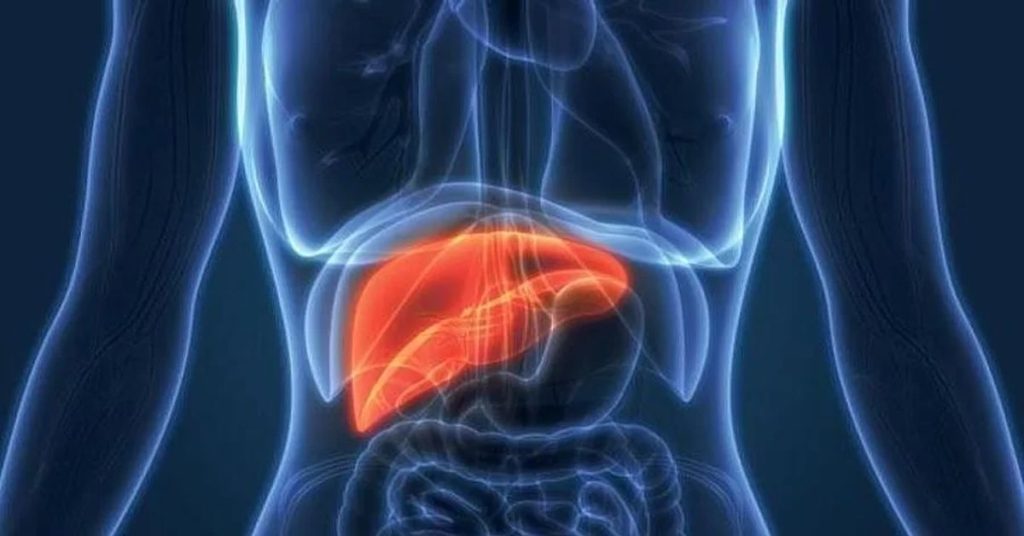
The liver is one of the most important organs of the body and takes on many vital functions. It cleanses toxins, processes nutrients and stores energy.
Factors affecting liver health can lead to serious problems in the long term. In particular, excessive alcohol consumption, unhealthy diets and certain medications make the liver's function more difficult.
Liver cirrhosiscan also occur due to prolonged alcohol use. This causes the organ to lose its normal functions. If not recognized early, it can cause serious complications.
Initially, symptoms are usually mild and can be difficult to recognize. Fatigue, loss of appetite and mild abdominal pain are common complaints. Over time, more prominent symptoms such as jaundice, fluid accumulation in the abdomen and skin bruising develop. Regular check-ups and follow-up by a doctor are important to slow the progression of the disease.
As the disease progresses, the risk of complications increases. Bleeding tendency, weakened immune system and liver failure can have serious consequences. Treatment is usually based on controlling the underlying cause. Managing symptoms is also an important part of the process.
Early diagnosis is critical to preserve quality of life and slow disease progression. In this process, the progression of damage to liver tissue liver cirrhosis can manifest itself with.
What are the Symptoms of Liver Cirrhosis?
This cirrhosis develops as a result of long-term damage to liver tissue. This makes it difficult for the organ to perform its normal functions. Initially, symptoms may be mild and often go unnoticed.
Fatigue, loss of appetite and mild abdominal pain are common complaints. Some people may also experience nausea and weight loss. Early awareness is critical to slowing the progression of the disease. At the end of the process liver cirrhosis can manifest itself.
As the disease progresses, the symptoms become more pronounced. Symptoms include yellowing of the skin and whites of the eyes, abdominal swelling and edema. This can affect the body's fluid balance and make daily life difficult. Itching and weakness are also common symptoms. These symptoms can be monitored with regular check-ups, doctor follow-up and blood tests.
As liver dysfunction progresses, more serious problems arise. Conditions such as impaired blood clotting, a weakened immune system and liver failure pose a risk.
Patients often feel tired and exhausted. Doctors plan appropriate treatment according to the severity of symptoms. Early intervention is important to reduce complications and maintain quality of life.
In the final stages, fluid accumulation in the abdomen, changes in the size of the liver and enlargement of the spleen may be seen. Darkening of urine color and skin discoloration are also common findings. Patients should make lifestyle changes and avoid alcohol and toxins to support the treatment process. Regular check-ups and medical supervision can slow the progression of the disease. This helps to improve quality of life.
Who Has Liver Cirrhosis?
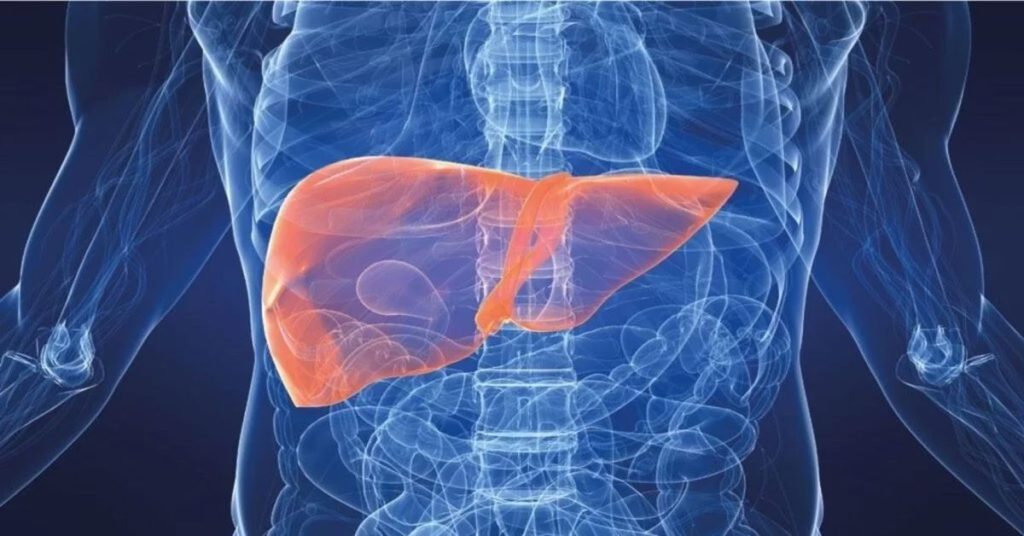
Liver diseases can occur at any age, but some people are at higher risk. Long-term alcohol consumption damages liver tissue and can lead to loss of function.
Chronic hepatitis infections and some metabolic diseases also negatively affect liver health. Early diagnosis and regular check-ups help prevent disease progression.
Lifestyle and genetic factors are also important. A sedentary lifestyle, a high-fat diet and unhealthy habits increase the burden on the liver. Long-term exposure to certain medications or chemicals has a negative effect on the liver. This can lead to impaired liver function. Therefore, individuals at risk should be careful.
Long-term hepatitis infections can also lead to hardening of the liver tissue. This condition usually manifests itself. People in the risk group should be monitored with regular blood tests and medical check-ups. liver cirrhosis is critical to prevent further complications.
In older people, liver function naturally declines and the disease may progress faster. In addition, hormonal changes and body composition can create differences between men and women. Regular nutrition and maintaining liver health are important to prevent complications.
What are the Treatment Methods for Liver Cirrhosis?
Treatment of liver diseases usually starts with controlling the underlying cause. Lifestyle changes, diet and limiting alcohol are the cornerstones of the treatment process. Regular medical check-ups are important to monitor the progression of the disease. Laboratory tests are also an integral part of this process.
There may be loss of function of the damaged tissue and risk of complications. In this case, treatment requires more comprehensive approaches. Medication can be used to manage symptoms and support the liver. Medications that reduce acid build-up or prevent infections may be prescribed.
The diet plan is based on limiting salt intake and adequate protein intake. As a result of all these measures and follow-up process, liver cirrhosis management can be planned effectively.
In severe cases, complications may develop. In these cases, surgical interventions or liver transplantation may be considered. Regular follow-up, blood tests and imaging methods increase treatment success and prevent complications. Early diagnosis expands treatment options and improves quality of life.
Patient compliance is very important in the treatment process. The correct use of medications, regular check-ups and lifestyle changes determine the effectiveness of treatment. Stress management, exercise and a healthy diet support liver function. Smoking and alcohol cessation are also critical for maintaining long-term health.