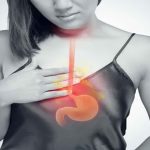
Heartburn, a burning sensation in the chest and an acidic taste in the mouth are common complaints of people with this condition. Reflux symptomsIt usually increases after meals and gets worse at night. You may also experience symptoms such as nausea, sore throat and coughing. These symptoms can become more severe over time if left untreated. For problems that persist for a long time, it is recommended to consult a doctor.
What Causes Reflux?

Stomach acid backing up into the esophagus can occur for various reasons. Normally, the valve between the stomach and the esophagus should close. However, in some cases this valve does not work properly and acid passes into the esophagus. This often leads to stomach acid irritating the esophagus and causing discomfort.
Another common cause is overweight or obesity. Excess body fat creates pressure in the abdomen and can compress the stomach, causing acid to escape into the esophagus. This pressure becomes more pronounced, especially after eating. Obesity, reflux is a major risk factor for the disease and symptoms can worsen if left untreated.
Improper eating habits can also trigger this condition. Acidic, fatty and spicy foods can increase the production of stomach acid. Also, overeating or eating before bedtime can cause acid to rise. Consuming large amounts of alcohol and caffeine can similarly lead to increased stomach acid.
Smoking is also a factor that worsens this condition. Smoking weakens the mechanism that allows stomach acid to escape back into the esophagus. Smoking disrupts stomach protective mechanisms and makes the stomach more vulnerable. Therefore, smokers may experience more discomfort.
How is Reflux Treated?
Treatment usually starts with lifestyle changes. The first step is to adjust eating habits. Acidic, fatty and spicy foods should be avoided. Also, meals should be taken more often in small portions and eating before bedtime should be avoided. Such changes can help prevent stomach acid from passing into the esophagus.
In addition, being overweight is an important factor triggering this condition. Obesity can put pressure on the stomach, causing acid to escape into the esophagus. Therefore, weight loss is an important step in the treatment process. Achieving a healthy weight through regular exercise and a balanced diet can relieve symptoms.
Smoking causes uncontrolled movement of stomach acid. This is why smokers need to give up this habit. Likewise, limiting alcohol and caffeine consumption reflux contributes to its treatment. Alcohol can worsen this condition by increasing the production of stomach acid, so these substances should be avoided.
Medical treatment is also very important. Doctors can prescribe medications to suppress stomach acid. Proton pump inhibitors and H2 receptor antagonists reduce acid production. Antacids may also be used in some cases. Medication should be prescribed by a doctor and requires regular follow-up.
Is Reflux Surgery Necessary?

Treatment usually starts with lifestyle changes and medication. Improvements in diet and exercise can be effective for most people. Avoiding acidic and spicy foods and eating small portions and frequent meals are the basis of this process. Regular exercise, weight control and avoiding smoking and alcohol can help recovery.
Medication also plays an important role in controlling this condition. Doctors may prescribe medicines that reduce the production of stomach acid. These medications relieve symptoms and prevent damage to the esophagus. However, medication is based on long-term use and may be ineffective for some patients.
Some patients may require surgical intervention. Those who do not respond to medication and lifestyle changes reflux surgical options may be considered. The surgery aims to strengthen or reconstruct the valve between the stomach and the esophagus. This method can improve patients' quality of life and permanently relieve symptoms.
Surgical intervention may not be appropriate for every patient. Whether surgery is necessary is directly related to the person's health status, age and response to treatment. Doctors determine treatment by assessing the risks and benefits of surgery.
What are the Symptoms of Reflux?
This disease usually occurs when stomach acid backs up into the esophagus. The most common symptom is heartburn, a burning sensation in the chest. This burning sensation increases after a meal and can intensify when lying down. This can have a negative impact on people's daily lives and may lead them to seek a soothing solution.
Some people also experience an acidic taste in the mouth. This taste is caused by stomach acid escaping into the esophagus and is usually noticeable in the morning. Some people also experience a sore, burning or tickling sensation in the throat. This can become chronic and more uncomfortable over time.
Another common symptom is a persistent cough or a catch in the throat. This is particularly noticeable at night and can disrupt sleep patterns. Some people may also have difficulty swallowing or hoarseness. These symptoms worsen when stomach acid damages the esophagus. Gastritis disease treatment can also be done with regular medication and appropriate treatment.
Some patients may also experience nausea and vomiting. These symptoms intensify, especially after meals, and can be uncomfortable. Bloating and gas problems may also be associated with this disease. Inadequate treatment leads to the persistence of such symptoms and can significantly reduce the patient's quality of life.
Reflux symptoms These symptoms include heartburn, acidic taste in the mouth, sore throat, coughing, difficulty swallowing and nausea. These symptoms negatively affect quality of life and can lead to serious health problems if left untreated. If symptoms persist, it is important to consult a doctor for proper treatment. Early intervention is important to maintain a healthy life.