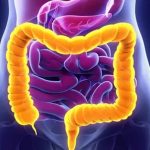
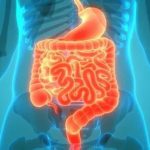
Rectal cancer is a type of tumor that develops in the last part of the large intestine. The course of treatment depends on the stage of the disease, the location and size of the tumor and the general health of the patient. For this reason rectal cancer treatment is planned individually. Early diagnosis is the most important factor that increases treatment success.
Who is Rectal Cancer Treatment Suitable for?

Rectal cancer is a disease that develops in the last part of the large intestine and can be successfully treated when detected early. The treatment plan is based on the patient's health status, the stage of the tumor and the location of the tumor. Therefore, the same approach is not applied to every patient. The goal is both to control the tumor and to preserve bowel function.
Patients at an early stage are usually suitable for surgery. At this stage, the tumor is detected before it spreads to surrounding tissues. For this reason rectal cancer treatmentcan be applied with more limited and sparing methods. Small tumors are often removed by local surgery. If the general health condition of the patient is good, the healing process is fast. In the early stage, the chances of preserving the integrity of the intestine are high.
In the intermediate stage, the treatment decision is evaluated in more detail. The proximity of the tumor to surrounding tissues, lymph node involvement and the patient's physical endurance are important. Some patients undergo preoperative radiotherapy or chemoradiotherapy. This method shrinks the tumor and makes the operation safer. The patient's response to treatment should be monitored regularly.
In advanced stages, treatment options are planned according to the spread of the disease. Some patients may need surgery, while others may need chemotherapy first. The patient's state of health and capacity to tolerate treatment are decisive at this stage. Appropriate patient selection, rectal cancer treatment directly affect its success.
In Which Situations Is Rectal Cancer Treatment Performed?
Rectal cancer is a serious disease that develops in the last part of the large intestine. It can be asymptomatic at an early stage, which is why regular screening is so important. After diagnosis, the stage of the tumor and the patient's health status are evaluated. The treatment decision is made based on this evaluation. The aim is both to control the tumor and to preserve bowel function.
In early stage patients, the tumor is usually limited. Surgery is the first choice if it has not spread to surrounding tissues. If the tumor is small, even local removal may be sufficient. At this stage, the treatment process is shorter and more successful. In addition, intestinal integrity can often be preserved. Therefore, patients diagnosed early benefit greatly from the treatment.
In the intermediate stage, the tumor may have approached the surrounding tissues. In this case, the treatment decision is more comprehensive. The possibility of the tumor spreading to the lymph nodes is taken into consideration. Some patients undergo radiotherapy or chemoradiotherapy before surgery. This method shrinks the tumor and makes the operation safer. At this stage rectal cancer treatmentis planned according to the patient's physical endurance and response to treatment. Regular follow-up is critical for the success of the treatment process.
In advanced patients, the tumor may have spread to structures around the rectum. In this case, treatment options are determined according to the spread of the tumor. In some patients, surgery is possible, while in others chemotherapy is required first. The general health condition of the patient and his/her capacity to tolerate the treatment are decisive at this stage. This affects the treatment decision. The aim is to prolong life and improve quality of life.
In conclusion, cancer is a disease that needs to be handled carefully at every stage. When the right method is chosen, the treatment process is more effective and patients can return to their daily lives in a healthier way.
What are the Treatment Methods for Rectal Cancer?

Rectal cancer is a disease that develops in the last part of the large intestine and needs to be carefully managed. The treatment process is determined according to the stage of the tumor, the general health status of the patient and the location of the tumor. After these evaluations rectal cancer treatment is determined. It becomes a patient-specific plan. The aim is to control the tumor, stop the spread and preserve bowel function as much as possible. Early diagnosis significantly increases the success rate of treatment.
Surgery is the most preferred method in the early stage. If the tumor is limited to the rectal wall, minimal surgical techniques may be sufficient. Local removal can be performed for small tumors. For larger tumors, laparoscopic or robotic surgery options are considered. These modern methods require fewer incisions and speed up the healing process. The main goal of surgery is to completely remove the tumor and preserve the surrounding tissues.
Combined therapies are used for mid-stage rectal cancers. Preoperative radiotherapy or chemoradiotherapy is applied to shrink the tumor. This process helps the surgery to be performed more safely and successfully. Radiotherapy targets cancer cells. Chemotherapy stops the growth of these cells. It stops the growth of these cells. The combination of these two methods increases the success of treatment. The response to treatment is monitored at regular intervals.
In advanced stages, treatment requires a more comprehensive plan. If the tumor has spread to surrounding tissues, chemotherapy may be administered first. This approach shrinks the tumor and increases the chance of surgery. In some cases, surgery may not be possible and treatment is planned to improve quality of life. Diet, lifestyle changes and regular check-ups are of great importance at every stage.
As a result, treatment methods in rectal cancer are shaped according to the needs of the patient. Early diagnosis and the right approach are the keys to successful outcomes.
What is the Process After Rectal Cancer Treatment?
The recovery process after cancer treatment varies from patient to patient. The type of surgery, the stage of the tumor and the general health of the patient influence this process. The aim is to preserve bowel function. To improve quality of life and reduce the risk of recurrence. Therefore, the follow-up process is very important.
The patient should rest in the first days after surgery. Moving with short walks accelerates recovery. The diet recommended by the doctor is of great importance. Fiber, fluid and meal balance are carefully adjusted so that the intestines adapt to the new structure. During this period, gas, bloating and irregular bowel movements may occur. These complaints usually diminish over time and bowel regularity is established.
Some patients may have an opened stoma. In this case, stoma care is an important part of the post-treatment process. Cleaning, bag change and skin care are learned with the support of a nurse. As the patient gets used to this routine, daily life becomes easier. Return to physical activity should also be gradual. Light walks and exercises that strengthen the muscles are recommended. Strenuous movements should be temporarily avoided.
The most critical step after treatment is regular check-ups. The doctor will perform blood tests, imaging and physical examination at set intervals. These checks are necessary both to monitor recovery and to detect a possible recurrence early. In addition, eating a healthy diet, quitting smoking and leading an active life will strengthen the healing process.
When all these stages come together rectal cancer treatment quality of life improves significantly afterwards. Patients can return to a healthier life.