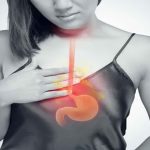
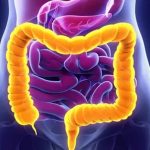
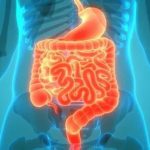
Cancer is caused by the uncontrolled growth of cells in the rectum, the last part of the large intestine. What is rectal cancer? sorusunun cevabı, bu bölgede başlayan ve zamanla büyüyen ciddi bir tümör sürecidir. Rektum, dışkının vücuttan atılmadan önce toplandığı bölümdür. Bu alanda gelişen tümörler sindirimi ve bağırsak hareketlerini etkileyebilir. Hastalık erken dönemde belirti vermeyebilir.
What is Rectal Cancer? Symptoms and Causes

Cancer is a type of cancer caused by the uncontrolled growth of cells in the rectum, the last part of the large intestine. This is the area where feces are collected before being excreted from the body. The change that starts in the cells here can turn into tumors over time. The disease may not show symptoms at an early stage. Therefore, regular check-ups are of great importance.
Erken dönemde rektum kanseri fark edilmeyebilir. Ancak ilerledikçe bazı belirtiler ortaya çıkar. Dışkıda kan görme bunların başında gelir. Bağırsak alışkanlıklarında değişiklik olabilir. Kabızlık veya sık ishal yaşanabilir. Karın ağrısı, şişkinlik ve ani kilo kaybı görülebilir. Rectal cancer halsizlik ve demir eksikliği anemisi ile de kendini gösterebilir. Bu belirtiler başka hastalıklarla karışabileceği için doktora başvurmak gerekir.
Many factors play a role in the development of the disease. Small tissue growths called polyps can develop into cancer over time. Genetic predisposition is an important risk factor. The risk increases if there is a family history of colon or cancer. The likelihood of the disease increases with age. Unhealthy diet, low fiber intake, processed meat consumption and sedentary life also increase the risk.
In the older age group rectal cancer is more common. Smoking and alcohol use are also risk factors. In addition, obesity, intestinal inflammation and prolonged stress can negatively affect intestinal health. When these factors combine, the likelihood of developing the disease increases. The disease is more easily controlled with early diagnosis. For this reason, it is important that screenings such as colonoscopy are performed on time.
Who Can Get Rectal Cancer?
Cancer is a disease that occurs in the last part of the digestive system and can have serious consequences. Although it can occur at any age, it is most common in older people. The risk increases significantly with age. For this reason, it is especially important for people over the age of 50 to have regular screening.
People with a family history of bowel cancer have a higher risk. Genetic transmission can cause the disease to occur at an earlier age. The presence of polyps in the intestines also increases the likelihood of it turning into cancer in the future. Unhealthy diet, irregular lifestyle, low fiber consumption and overweight are also risk factors.
When these risk factors come together rectal cancer the likelihood of developing the disease is even higher. People with inflammatory bowel disease are also included in this group. Prolonged intestinal inflammation can lead to harmful changes in cells. Lifestyle choices also play a role. Sedentary lifestyles, frequent alcohol consumption and smoking can have a negative impact on gut health. Intensive consumption of processed meats also increases the risk.
In some people, environmental factors and occupational exposures may also be effective. The risk is higher in individuals who work with chemicals. People who are frequently exposed to toxic environments are also at increased risk. In addition, the immune system may weaken in people with high levels of stress and irregular sleep patterns. This can reduce the body's capacity to control cellular changes.
As a result, cancer is more common in certain risk groups. Age, genetic factors, lifestyle and bowel health are effective in determining these groups. Regular screenings, a healthy diet and avoiding risk factors are of great importance for early diagnosis.
What are the Treatment Methods for Rectal Cancer?

Rektum kanseri tedavisi hastalığın evresine göre planlanır. Amaç kanserli dokuyu tamamen temizlemek ve yayılımı önlemektir. Erken evrede başarı şansı yüksektir. Bu nedenle erken tanı çok önemlidir. Tedavi genellikle birden fazla yöntemin birlikte kullanılmasıyla yapılır. Cerrahi, kemoterapi ve radyoterapi temel seçeneklerdir.
At this point rectal cancer tedavisinde en önemli yöntem cerrahidir. Cerrahi ile tümörlü doku çıkarılır. Bazı durumlarda bağırsak geçici veya kalıcı olarak dışarıya bağlanabilir. Bu işlem hastalığın yayılımını kontrol altına almak için yapılır. Cerrahi sonrası iyileşme süreci hastaya göre değişir.
İleri evrelerde kemoterapi ve radyoterapi birlikte uygulanabilir. Bu tedaviler tümörün küçülmesini sağlar. Ameliyat öncesi veya sonrası kullanılabilir. Amaç kalan kanser hücrelerini yok etmektir. Bu yöntemler tedavi başarısını artırır. Bazı hastalarda hedefe yönelik ilaç tedavileri de kullanılabilir. Bu ilaçlar kanser hücrelerinin büyümesini engeller.
Tedavi sonrası yaşam tarzı da önemlidir. Sağlıklı beslenme ve düzenli kontrol önerilir. Bağışıklık sisteminin güçlü tutulması gerekir. Hastalar belirli aralıklarla takip edilmelidir. Bu sayede olası tekrarlar erken fark edilir. Sonuç olarak tedavi süreci kişiye özel planlanır. Erken müdahale ile başarı oranı artar.
What is the Process After Rectal Cancer Treatment?
Recovery after cancer treatment is completed is as important as the treatment itself. For patients who have undergone surgery, chemotherapy or radiotherapy, the speed of recovery can vary from person to person. This period requires both physical and emotional attention. The aim of treatment is not only to eliminate the tumor, but also to maintain the patient's quality of life.
The first stage after treatment is regular check-ups. The doctor monitors the patient's general condition and bowel function. These check-ups include blood tests, imaging methods and, if necessary, colonoscopy. Early follow-up allows a possible recurrence to be recognized quickly. It is therefore important not to miss appointments.
Bowel habits may change after treatment. Some patients may experience diarrhea, constipation or gas. This is usually temporary. A fibrous diet, drinking plenty of water and regular exercise reduce symptoms. Some patients may temporarily need a special nutrition program. Dietitian support facilitates recovery in this process.
Some patients may have an ostomy after surgery. In this case, the patient is trained in the use and care of the bag. Adaptation may be difficult in the first days, but over time it is integrated into the daily routine. Support groups and specialized nurses are a great help in this process. In general, patients can return to their daily lives within a few weeks.
Psychological support is also important after treatment. Patients may experience anxiety and uncertainty. Therefore, receiving professional support increases the speed of recovery. As a result, the post-treatment period becomes more controlled with regular follow-up and correct living habits. Managing this period correctly rectal cancer Yalnızca bir hastalık değil, aynı zamanda aşılabilir bir süreç olarak bakmasını sağlar.