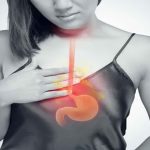
The bacteria or virus usually causes abdominal pain, gas accumulation and digestive difficulties. There may also be abdominal pain, vomiting and decreased desire to eat. The bacteria can damage the stomach lining and cause ulcers. Symptoms of Helicobacter pylori can vary from person to person. The most common complaints include abdominal pain and discomfort after meals.
What are the Symptoms of Helicobacter Pylori?

Some bacteria that affect the gastrointestinal tract can cause digestive problems. Such infections usually present with symptoms such as stomach pain and bloating. The symptoms may start mildly and intensify over time. The burning sensation in the stomach areas often increases after meals. Indigestion and gas accumulation are also common symptoms.
Helicobacter pylori Another symptom of infection is nausea. Nausea can occur especially after meals. It is sometimes accompanied by vomiting. A feeling of fullness and pain in the abdomen is one of the most common complaints. These symptoms may become more pronounced after eating.
Loss of appetite and weight loss may also occur. The person cannot eat enough food because of stomach problems. Over time, weight loss can occur because the body does not get the nutrients it needs. Some people may also experience gas pains and a feeling of tightness in the abdomen. This negatively affects quality of life.
In some cases, serious stomach-related health problems can develop. In particular, the risk of stomach ulcers increases with long-term untreated infections. In addition, stomach bleeding is another possible complication. If the abdominal pain intensifies, it is important to contact a doctor. Early intervention can prevent bigger health problems from occurring.
Diagnosis of Helicobacter Pylori
This type of stomach infection can be diagnosed in several ways. First, the physician listens to the individual's complaints and performs a physical examination. Symptoms such as abdominal tenderness, gas accumulation or bloating are monitored. Complaints such as stomach pain and indigestion are then evaluated. The physical examination is the beginning of the diagnostic process.
Helicobacter pylori Laboratory tests can be done to diagnose the infection. A blood sample can reveal the presence of certain immune cells associated with this germ. A stool test is also a common method. The presence of this infection can be detected in the stool. These tests are extremely useful to confirm the presence of the germs.
Another method is known as a breath test. In this test, samples taken from a person's breath are examined. Stomach infections cause some chemical changes in the breath. These changes can be easily detected by the laboratory performing the test. A breath test is usually a painless and quick procedure.
Visceral examination also plays a critical role in diagnosis. In this method, a tube is inserted into the stomach and imaged directly. Inflammation or ulcers in the lining of the stomach are examined. Endoscopy can be used to determine the severity of the infection. However, this procedure is usually preferred to confirm the results of other tests.
Helicobacter Pylori Treatment

This stomach infection is usually treated with medicines. Treatment involves a combination of medicines that kill the germs and medicines that lower stomach acid. Antibiotics heal the infection and acid-lowering medicines heal the stomach. The duration of treatment usually varies between 10-14 days and is organized according to the doctor's recommendations.
For antibiotics to be effective, it is important to take them regularly. If the medicines are taken irregularly, the risk of the infection recurring increases. Also, foods that can irritate the stomach should be avoided during treatment. Acidic, fatty and spicy foods can irritate the stomach even more.
In some cases, the infection may not be completely cleared by the end of the treatment course. This may indicate the presence of drug-resistant strains of bacteria. In such a case, the doctor may prescribe a different treatment plan. Extra antibiotic treatment or different acid-lowering medications may be used. In such cases, the doctor's guidance is very important.
Lifestyle changes are also important to help the treatment process. Reducing stress and eating a regular and healthy diet can support treatment. In addition, bad habits such as smoking or excessive alcohol consumption can negatively affect the treatment process. Therefore, it is very important to choose a balanced lifestyle during the treatment process.
Symptoms of Helicobacter Pylori abdominal pain, difficulty digesting and gas accumulation. This infection is treated with medication and should be continued according to the doctor's recommendations. Regular use of medication is essential for the complete eradication of the microbe. Lifestyle changes can speed up the treatment process. Early treatment and the right medication prevent the infection from healing and complications.