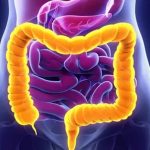
It is a serious disease caused by the uncontrolled growth of cells in the lining of the large intestine. It usually starts with small polyps. What is colon cancer? The answer to the question is hidden precisely in this process because these polyps can turn into cancer over time. They may not give symptoms in the early period. Therefore, regular screening tests are of great importance.
What is Colon Cancer? Symptoms and Causes

Cancer is a disease that starts in the large intestine and often develops in small formations called polyps. Polyps are silent at first. Over time, they can grow and turn into cancer. The lack of symptoms at an early stage makes the disease insidious. Therefore, regular screening tests are of great importance. Colonoscopy allows us to detect and remove polyps. Thus, the disease can be controlled before it develops.
Symptoms of colon cancer are usually manifested by a change in bowel habits. It can be constipation or diarrhea. Blood may appear in the stool. Abdominal pain, flatulence and bloating are common. Weight loss, loss of appetite and constant fatigue Colon cancer are among the symptoms. However, these complaints are not always seen at an early stage. Mild onset of symptoms may delay patients from seeing a doctor. Therefore, it is vital that risk groups do not neglect screening.
The causes of the disease are multifaceted. The risk increases with age. Fiber-poor diet, excessive red meat consumption and sedentary life increase the risk. Smoking and alcohol are also harmful. If there is a family history of bowel cancer, the risk increases even more. Some genetic diseases can lead to tumor development even at an early age.
Knowing the symptoms and causes allows early detection of the disease. Regular screening tests are the strongest defense. Treatment success rate is high in patients diagnosed early. Surgical and drug treatments are more effective. Therefore, patients should not underestimate the complaints. Those with a family history should be especially careful. In the light of all this information Colon cancer can be managed with early diagnosis.
Who Gets Colon Cancer?
Cancer is an important health problem whose incidence increases with age. It usually progresses insidiously and may not show symptoms at an early stage. Therefore, it is of great importance for people in the risk group to have regular screening. Early detection of polyps can prevent the disease from developing. Healthy living habits reduce the risk.
Advanced age is one of the groups with increased risk. In people over 50 years of age, the incidence rate increases significantly. The risk is also higher in people with a family history. Especially those with first-degree relatives with bowel cancer should be followed carefully. Some genetically inherited syndromes can also cause the disease to occur at an early age. For this reason, individuals with genetic risk should not interrupt their screening.
Diet is also an important factor. People with a fiber-poor, processed and red meat-dominated diet Colon cancer risk increases. A sedentary lifestyle also contributes to this. Regular physical activity has a protective effect as it regulates bowel movements. Obesity is another important factor that increases the risk of bowel cancer. Therefore, weight control is essential to maintain healthy bowel function.
In conclusion, cancer can occur in many different groups, but some people are at higher risk. Advanced age, family history, irregular diet and inactivity are among the most important risk factors. Healthy living habits and regular check-ups are essential for early detection of the disease. Therefore, it is vital that people in the risk group comply with screening programs. Early diagnosis increases the chances of treatment and preserves quality of life.
What are Colon Cancer Treatment Methods?

Tumors that start in the large intestine can grow over time and cause serious health problems. The disease often develops from polyps and may not show symptoms at an early stage. Regular screening is therefore of great importance. Early diagnosis is known to increase treatment success. At this point, a serious disease affecting intestinal health Colon cancer becomes important. It necessitates the correct determination of treatment methods.
Surgery is often the first choice for cancer. Surgery involves removing the tumor and the surrounding lymph nodes. This method is very successful in early stages. The surgery can be performed with closed or open technique. The closed technique may shorten the recovery time. The surgeon determines the most appropriate method according to the general condition of the patient. If the tumor is limited, surgery alone may be sufficient. However, in advanced stages, additional treatments become inevitable.
Chemotherapy plays an important role in advanced patients. This treatment slows the growth of cancer cells and prevents them from spreading. In some cases, targeted drugs are used. These drugs target specific mechanisms that drive tumor growth and provide a more controlled effect. Radiotherapy is preferred especially for tumors close to the rectum. It can be used to reduce pain or shrink the tumor.
As a result, treatment is multifaceted and tailor-made for each patient. Surgery, chemotherapy and targeted therapies may need to be applied together. The success rate is high in patients diagnosed early. Regular check-ups and healthy living habits support the treatment process.
What is the Process After Colon Cancer Treatment?
The process that begins after cancer treatment is completed directly affects the patient's quality of life. The body of patients who have undergone surgery, chemotherapy or radiotherapy goes through a period of recovery. During this period, fatigue, decreased appetite and changes in digestive habits may occur. These effects ease over time. It is important that the patient does not exert himself/herself and returns to daily life at the pace recommended by the doctor.
The most critical step in the post-treatment period is regular check-ups. The doctor monitors the patient's blood values and imaging results. Thus, a possible recurrence is recognized early. Colonoscopy intervals may be increased in some patients. This follow-up plan is determined according to the patient's risk status. A change detected early increases the success of treatment. Therefore, controls should never be interrupted.
Diet is also an important part of the healing process. Fibrous foods regulate bowel movements. Red meat consumption should be reduced and processed foods should be avoided. Omega-3, vegetables and whole grains support healing. Hydration is also important. Regular water intake helps the digestive system. Light walks and regular exercise boost energy and strengthen immunity.
As a result, the post-treatment period requires both physical and psychological adaptation. It is important for the patient to take care of himself/herself and eat a healthy diet. Regular check-ups are the basis of recovery. When all these steps come together, life after treatment becomes more balanced and safe. This journey of recovery is a journey that many patients What is colon cancer? and the value of early intervention.