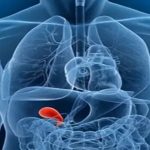
It is performed to examine the digestive system, especially the bile and pancreatic ducts. What is ERCP? It is used for both diagnostic and therapeutic purposes. It is a combination of endoscopy and fluoroscopy (X-ray) technologies. It is used to evaluate gallstones, bile duct obstruction, pancreatitis and some types of cancer.
In Which Situations is ERCP Appropriate?

What is ERCP? It plays an important role in the diagnosis and treatment of digestive system diseases. It is used to examine and treat the bile ducts and pancreatic ducts. The procedure is done with a combination of a special endoscope and X-ray technologies. It is suitable for some specific conditions.
ERCP is commonly used to detect and remove stones in the bile ducts. Gallstones can block the flow of bile and cause serious health problems. With ERCP, these stones can be removed endoscopically.
Blockages in the bile ducts can occur for various reasons. ERCP is used to identify these blockages and treat them if necessary. Sometimes blockages can be caused by tumors or inflammation.
ERCP is used to treat blockages, especially in the duct of the pancreas. Pancreatitis, such as pancreatitis, is made worse by blockages in the ducts.
ERCP is used to confirm the diagnosis of the disease when cancer is suspected in the bile ducts or pancreas. This procedure also allows a biopsy to be taken.
It can also be used to treat bleeding conditions or to widen narrowed bile ducts. ERCP may not be appropriate in all cases, so a decision should be made on the advice of a doctor.
What is ERCP? How is it done?
ERCP is done to examine and treat the bile and pancreatic ducts of the digestive system. What is ERCP? It is a combination of endoscopy and X-ray technologies. It is commonly used to diagnose gallstones, pancreatitis, bile duct obstructions and some types of cancer.
The ERCP procedure is usually performed under sedation to relax the patient. The patient lies on their back and an endoscope is used during the procedure, which is inserted into the body through the mouth. The endoscope is a thin tube with a camera on it. This tube is advanced through the esophagus into the stomach and duodenum. Here the bile ducts and pancreatic ducts are visualized.
The endoscope has a channel at the end. Through this channel, contrast material is injected into the bile ducts. The contrast material allows it to be visualized with an X-ray machine. This allows the doctor to observe blockages, stones or other abnormalities in the bile ducts.
In some cases, ERCP is not only used for diagnosis but also for therapeutic purposes. For example, it is possible to remove gallstones. Procedures such as widening narrowings in the bile ducts or unblocking the pancreatic duct can also be performed. These procedures are performed minimally invasively through an endoscope.
ERCP is usually performed in hospital and patients are monitored for several hours after the procedure. This procedure is an important tool to ensure accurate diagnosis and treatment.
Recovery Process After ERCP

What is ERCP? It is a minimally invasive procedure. However, patients' recovery should be carefully monitored. Recovery after the procedure may vary for each patient. However, in general, patients can start to return to their normal life within a few hours.
Firstly, since sedation is applied during the procedure, it may take some time for patients to eliminate the inactivated drugs from the body. Therefore, patients should be kept under observation for the first few hours after the procedure. At the beginning of the recovery process, patients may experience mild dizziness, nausea or weakness. These symptoms usually resolve within a few hours.
Patients can be discharged on the same day after ERCP. However, they are advised not to drive or do heavy work for 24 hours after the procedure. Also, some patients may experience mild pain, swelling or gas accumulation in the abdomen after the procedure. These symptoms are usually temporary and resolve within a few days.
In some rare cases, complications such as pancreatitis (inflammation of the pancreas) may develop after ERCP. In this case, severe abdominal pain, nausea, vomiting or fever may occur. If these symptoms occur, you should seek medical advice immediately.
The healing process is fast. Unless there are complications, they can return to their normal activities within a few days. What is ERCP? Paying attention to the doctor's recommendations after the procedure accelerates the healing process. It also reduces the risk of complications.