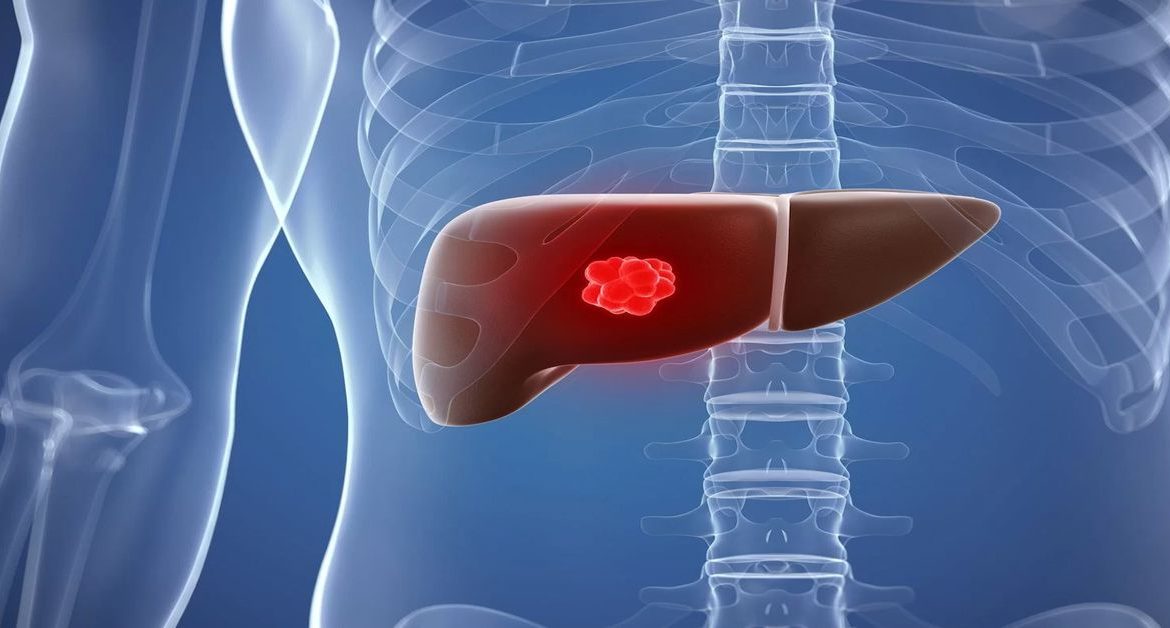
It is a disease caused by the uncontrolled proliferation of abnormal cells in the liver. What is liver cancer? It is commonly known as hepatocellular carcinoma. Symptoms include weight loss, abdominal pain and jaundice. It is linked to risk factors such as cirrhosis or hepatitis. Early diagnosis is important for treatment, but treatment is difficult in advanced stages. Treatment options include surgery, chemotherapy and radiation therapy.
What is Liver Cancer? Symptoms and Causes
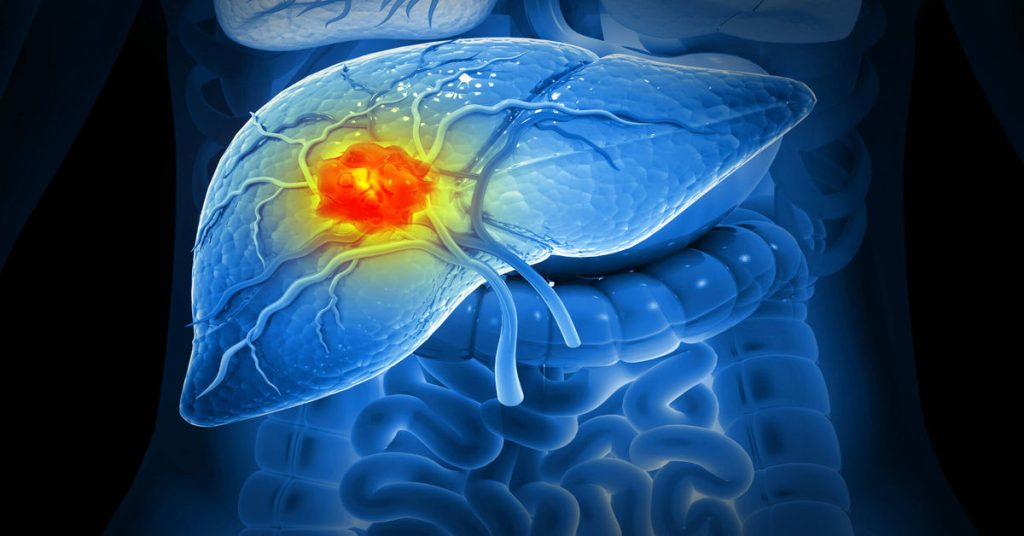
The liver is one of the body's largest internal organs and has many vital tasks. It cleanses toxins, processes nutrients and stores energy. When the cells of this important organ start to grow uncontrollably, serious health problems can arise. The disease may not show symptoms at an early stage. Therefore, it is important for people in the risk group to have regular check-ups.
In the general name of malignant tumors arising from liver cells liver cancer called hepatocellular carcinoma. The most common type is hepatocellular carcinoma. Long-term hepatitis B and C infections are among the important risk factors. The risk is higher in patients who have developed cirrhosis. Excessive alcohol consumption and fatty liver disease can also trigger the process. Early diagnosis increases treatment success.
Symptoms usually appear as the disease progresses. Loss of appetite, weight loss and weakness are common. Pain may occur in the upper right part of the abdomen. Abdominal swelling and jaundice are noteworthy findings. Some patients may develop nausea and early feeling of satiety. These complaints may be confused with other diseases. Therefore, prolonged symptoms should be taken seriously.
Chronic infections and cirrhosis are the most important causes of cancer development. Metabolic diseases such as obesity and diabetes can also increase the risk. Exposure to certain toxins such as aflatoxin can also be effective. To reduce risk factors, it is important to eat a healthy diet and limit alcohol consumption. Especially individuals in the risk group should participate in regular screening programs. Liver cancer When caught at an early stage, treatment options are wider and life expectancy can be prolonged.
Who Gets Liver Cancer?
The liver is one of the most important organs of the body. It regulates metabolism, cleanses toxins and performs many vital tasks. Malignant tumors that develop in this organ can cause serious health problems. The disease usually progresses without symptoms for a long time. Therefore, it is important for people in the risk group to have regular check-ups.
The biggest risk group is people with chronic hepatitis B and hepatitis C infections. These viruses can cause liver damage over the years. The risk increases significantly in patients who develop cirrhosis. Long-term alcohol use is also an important factor. People with obesity, diabetes and fatty liver disease are also at increased risk. It is more common in men than in women.
Individuals diagnosed with cirrhosis, chronic liver disease and viral hepatitis carriers liver cancer is more common. People with a family history of liver disease should also be careful. Advanced age is an important risk factor. However, the risk may also increase in people who are exposed to certain toxins for a long time. Therefore, regular follow-up and screening programs are of great importance.
The disease can progress faster in individuals with a weak immune system. Unhealthy eating habits and a sedentary lifestyle can also indirectly increase the risk. Treatment options are wider when detected at an early stage. For this reason, people in the risk group should not neglect medical check-ups. Preventive measures and regular follow-up play an important role in early diagnosis of the disease.
What are the Treatment Methods for Liver Cancer?
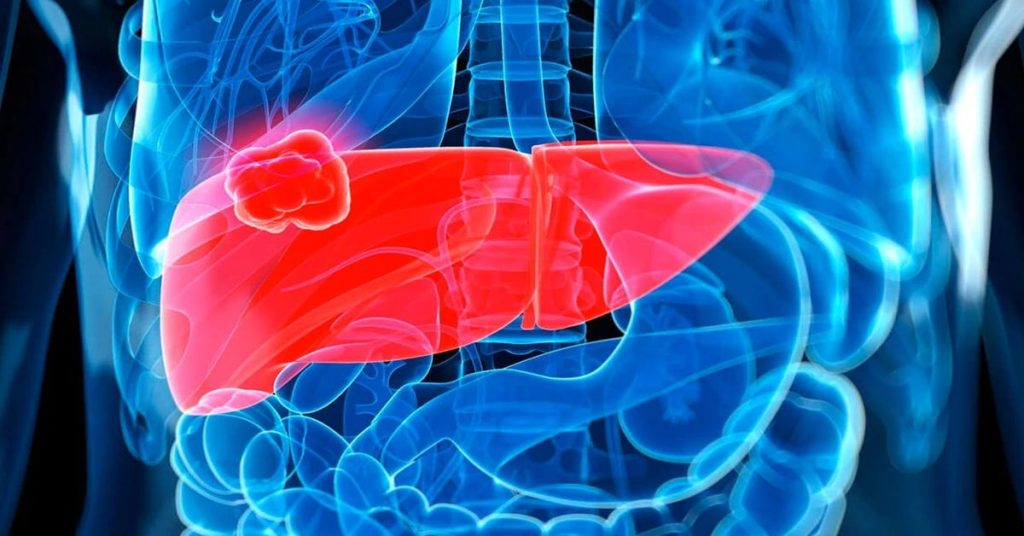
Treatment of malignant tumors in the liver is planned according to the stage of the disease. Treatment options are wider in cases detected at an early stage. The size and number of tumors and the general condition of the liver affect the decision-making process. The patient's age and comorbidities are also taken into account. The aim is to control the tumor and prolong life.
Surgical methods are at the forefront of treatment. In appropriate patients, the tumorous part can be removed and this approach is particularly liver cancer can give effective results. In some cases, liver transplantation may be the most effective option. The transplant removes both the tumor and the underlying cirrhosis. However, not all patients are suitable for transplantation. People who are caught at an early stage and have limited tumors will benefit more from surgery.
Local treatment methods can be applied in patients who are not suitable for surgery. Radiofrequency ablation and microwave therapy can be effective in small tumors. Blockage of the vessel leading to the tumor with special methods is also an option. In advanced stage patients, systemic treatments come to the agenda. Smart drugs and immunotherapy have expanded treatment options in recent years.
The treatment plan must be made by a multidisciplinary team. Oncology, gastroenterology and surgery specialists decide together. Regular follow-up is important to evaluate the response to treatment. Early diagnosis increases the chance of success. For this reason, people in the risk group should not interrupt their controls. The most appropriate method for each patient should be determined individually.
What is the Post-Treatment Process of Liver Cancer?
The post-treatment process varies according to the method applied. Patients who have undergone surgical intervention require close follow-up in the hospital in the first days. Pain control is provided and liver functions are monitored regularly. Immunosuppressive drugs are used in transplant patients. It is very important to take these medications regularly. Care should be taken against the risk of infection in the early period.
Patients receiving local treatment or systemic medication also need regular check-ups. Blood tests and imaging methods are used to evaluate the response to treatment. Complaints such as fatigue, loss of appetite or weight loss are closely monitored. Diet is of special importance during this period. Protein and calorie balance should be maintained. Alcohol should be completely stopped.
Psychological support may also be needed during the healing process. Prolonged treatments can wear the patient down. Family support and regular doctor visits increase motivation. Physical activity should be gradually increased in line with the doctor's recommendation. Excessive fatigue should be avoided. A lifestyle that protects liver health should be adopted.
Regular follow-up is the most important step after liver cancer treatment. Check-ups are more frequent in the first two years. Possible recurrence situations can be detected in the early period. Liver cancer It is important that patients do not interrupt their controls and follow the doctor's recommendations.