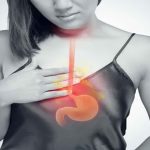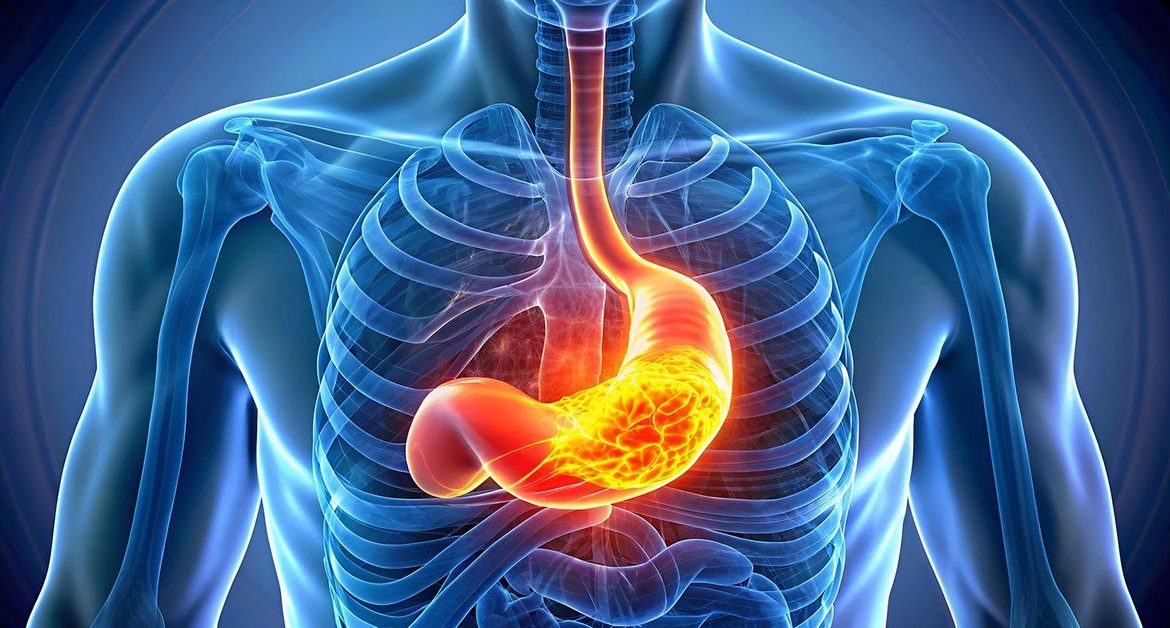
Reflü bazı kişilerde mide yanması ve rahatsızlık hissine neden olabilir. Yemek sonrası göğüs bölgesinde yanma hissi oluşabilir. Bazı kişilerde ağıza acı su gelmesi görülebilir. Uzun süre devam eden şikayetler günlük yaşamı etkileyebilir. Reflü ameliyatı nedir? sorusu bu süreçte merak edilebilir. Bu işlem bazı ileri düzey reflü durumlarında değerlendirilebilir. Tedavi planı kişinin şikayetlerine göre belirlenebilir.
Reflü Ameliyatı Nedir? Kimler İçin Uygundur?
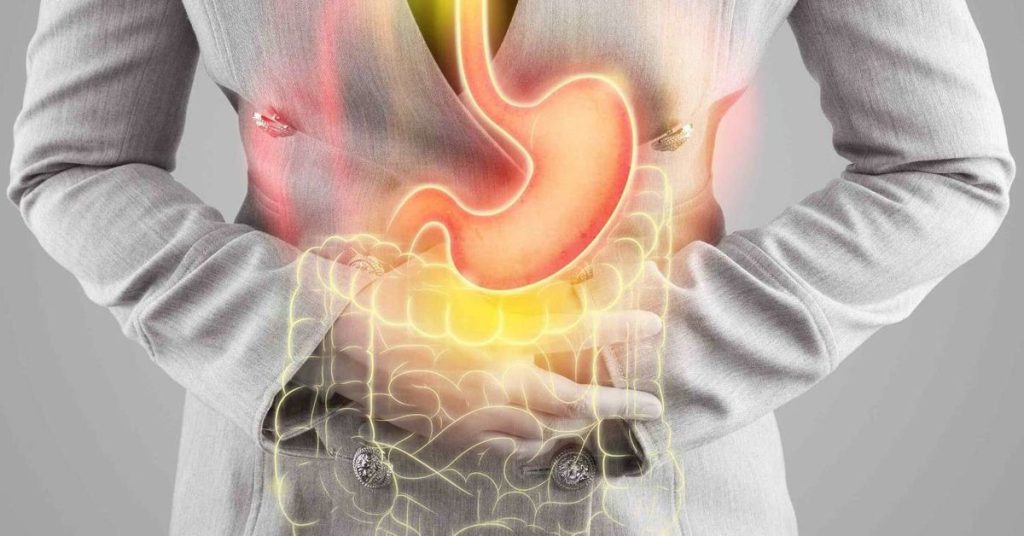
Reflü bazı kişilerde mide yanması ve göğüs bölgesinde rahatsızlık hissine neden olabilir. Yemek sonrası ağıza acı su gelmesi görülebilir. Bazı kişilerde gece artan şikayetler oluşabilir. Uzun süre devam eden belirtiler günlük yaşamı etkileyebilir. Bu nedenle düzenli değerlendirme süreci önem taşıyabilir. Tedavi planı kişinin şikayetlerine göre belirlenebilir.
İleri düzey durumlarda Reflux surgery değerlendirilebilen yöntemlerden biri olabilir. Özellikle uzun süre devam eden şikayetlerde farklı uygulamalar planlanabilir. Bazı kişilerde yaşam kalitesini etkileyen belirtiler görülebilir. Mide içeriğinin yemek borusuna kaçması rahatsızlık hissini artırabilir. Bu süreç kişiden kişiye farklı şekilde ilerleyebilir. Tedavi planı kişinin genel durumuna göre şekillendirilebilir.
Bazı kişilerde ilaç kullanımına rağmen şikayetler devam edebilir. Bunun yanında gece uyku düzenini etkileyen belirtiler oluşabilir. Uzun süre devam eden mide yanması günlük yaşamı zorlaştırabilir. Yemek sonrası rahatsızlık hissi hareket kapasitesini etkileyebilir. Düzenli takip süreci belirtilerin kontrol edilmesine katkı sağlayabilir. Kontrollü yaşam alışkanlıkları süreç açısından fayda sağlayabilir.
İleri düzey şikayetleri bulunan bazı kişiler için Reflux surgery uygun seçeneklerden biri olabilir. Tedavi planı kişinin sağlık durumuna göre belirlenebilir. Bazı kişilerde kontrollü takip süreci uygulanabilir. Düzenli bakım süreci yaşam konforunun korunmasına katkı sağlayabilir. Kontrollü yaşam alışkanlıkları sürecin desteklenmesine yardımcı olabilir.
Reflü Ameliyatı Hangi Durumlarda Kullanılır?
Reflü bazı kişilerde mide yanması ve göğüs bölgesinde rahatsızlık hissine neden olabilir. Yemek sonrası ağıza acı su gelmesi görülebilir. Bazı kişilerde gece artan şikayetler oluşabilir. Uzun süre devam eden belirtiler günlük yaşamı etkileyebilir. Bu nedenle düzenli değerlendirme süreci önem taşıyabilir. Tedavi planı kişinin şikayetlerine göre belirlenebilir.
Bazı kişilerde ilaç kullanımına rağmen şikayetler devam edebilir. Bunun yanında gece uyku düzenini etkileyen belirtiler oluşabilir. Uzun süre devam eden mide yanması günlük yaşamı zorlaştırabilir. Yemek sonrası rahatsızlık hissi hareket kapasitesini etkileyebilir. Düzenli takip süreci belirtilerin kontrol edilmesine katkı sağlayabilir. Kontrollü yaşam alışkanlıkları süreç açısından fayda sağlayabilir.
İleri düzey durumlarda Reflux surgery değerlendirilebilen yöntemlerden biri olabilir. Özellikle uzun süre devam eden şikayetlerde farklı uygulamalar planlanabilir. Bazı kişilerde yaşam kalitesini etkileyen belirtiler görülebilir. Mide içeriğinin yemek borusuna kaçması rahatsızlık hissini artırabilir. Bu süreç kişiden kişiye farklı şekilde ilerleyebilir. Tedavi planı kişinin genel durumuna göre şekillendirilebilir.
Düzenli yaşam alışkanlıkları bazı kişiler için fayda sağlayabilir. Yemek düzenine dikkat edilmesi süreç açısından önemli olabilir. Bazı kişilerde kontrollü takip süreci uygulanabilir. Uzun süre devam eden şikayetlerde düzenli değerlendirme önem taşıyabilir. Kontrollü bakım süreci yaşam konforunun korunmasına katkı sağlayabilir.
How is Reflux Surgery Performed?

Reflü bazı kişilerde mide yanması ve göğüs bölgesinde rahatsızlık hissine neden olabilir. Yemek sonrası ağıza acı su gelmesi görülebilir. Bazı kişilerde gece artan şikayetler oluşabilir. Uzun süre devam eden belirtiler günlük yaşamı etkileyebilir. Bu nedenle farklı tedavi yöntemleri değerlendirilebilir. Tedavi planı kişinin şikayetlerine göre belirlenebilir.
Mide ile yemek borusu arasındaki bölgeye yönelik Reflux surgery sırasında uygulamalar planlanır. Bazı durumlarda mide kısmı destekleyici şekilde düzenlenebilir. İşlem süreci kişinin sağlık durumuna göre farklılık gösterebilir. Bazı kişilerde kapalı yöntemler tercih edilebilir. Tedavi öncesinde detaylı değerlendirme yapılabilir. Bu süreç kişiye özel şekilde planlanabilir.
Tedavi sonrası ilk günlerde hassasiyet hissi oluşabilir. Bazı kişilerde beslenme düzeninde geçici değişiklikler yapılabilir. Kontrollü bakım süreci iyileşmenin desteklenmesine katkı sağlayabilir. Düzenli takip süreci farklı sorunların değerlendirilmesine yardımcı olabilir. Kontrollü yaşam alışkanlıkları süreç açısından fayda sağlayabilir. Bu nedenle önerilen bakım sürecine dikkat edilmesi önem taşır.
Uzun süre devam eden reflü şikayetleri yaşam konforunu etkileyebilir. Bazı kişilerde gece artan belirtiler görülebilir. Düzenli yaşam alışkanlıkları sürecin desteklenmesine katkı sağlayabilir. Kontrollü takip süreci kişiye özel şekilde planlanabilir. Erken değerlendirme bazı durumlarda fayda sağlayabilir.
What is the Process After Reflux Surgery?
Tedavi sonrası süreç kişiden kişiye farklı şekilde ilerleyebilir. Bazı kişilerde ilk günlerde hassasiyet hissi oluşabilir. Beslenme düzeninde geçici değişiklikler yapılabilir. Kontrollü bakım süreci iyileşmenin desteklenmesine katkı sağlayabilir. Düzenli takip süreci farklı sorunların değerlendirilmesine yardımcı olabilir. Kontrollü yaşam alışkanlıkları süreç açısından fayda sağlayabilir.
İlk dönemlerde ağır ve yağlı yiyeceklerden kaçınılması önerilebilir. Bazı kişilerde küçük porsiyonlarla beslenme planı uygulanabilir. Yemek sonrası rahatsızlık hissi zamanla azalabilir. Düzenli bakım süreci yaşam konforunun korunmasına katkı sağlayabilir. Kontrollü beslenme alışkanlıkları süreç açısından önemli olabilir. Bu nedenle önerilen düzenin korunması önem taşır.
Bazı kişiler günlük yaşam aktivitelerine kısa sürede dönebilir. Bazı durumlarda ise daha uzun takip süreci gerekebilir. Gece oluşan şikayetlerde zamanla azalma görülebilir. Kontrollü yaşam alışkanlıkları iyileşme sürecini destekleyebilir. Düzenli takip süreci farklı sorunların kontrol edilmesine katkı sağlayabilir. Erken değerlendirme bazı durumlarda fayda sağlayabilir.
Uzun süre devam eden reflü şikayetleri yaşam kalitesini olumsuz etkileyebilir. Bazı kişilerde süreç daha dikkatli takip edilebilir. Kontrollü bakım uygulamaları günlük yaşam konforunu destekleyebilir. Reflux surgery sonrası bakım süreci kişisel ihtiyaçlara göre değişiklik gösterebilir. Düzenli takip ve kontrollü yaşam alışkanlıkları sürecin desteklenmesine katkı sağlayabilir.