It is a condition that prevents bile from passing from the liver to the digestive system. It is usually caused by gallstones, tumors or inflammation. Biliary tract obstruction, can lead to abdominal pain, jaundice and digestive problems. If left untreated, it can cause serious health problems. Treatment options include medication, surgery or endoscopic procedures.
What are the Symptoms of Biliary Tract Obstruction?

When the flow of bile is blocked, the level of bilirubin in the blood increases. This causes the skin and whites of the eyes to turn yellow.
Jaundice is usually the first noticeable symptom. The body tries to excrete the increased bilirubin through urine.
Urine may be much darker than normal, even tea-colored. Bile is the substance that gives stool its brown color. In these cases, the color of the stool may lighten or even turn gray-white. Bile salts accumulating in the blood can cause intense itching of the skin. These symptoms are usually bile duct obstruction is associated with
Itching is sometimes worse at night and can seriously affect quality of life. The obstruction causes pressure on the liver and gallbladder. This usually causes pain in the right upper abdomen, sometimes in the back.
When bile flow is disturbed, the digestive system is also affected. This can be manifested by frequent nausea and sometimes vomiting. If the blockage has caused an infection, the person may experience fever and chills.
This may indicate cholangitis, a medical emergency. As the body has difficulty digesting, not enough nutrients can be absorbed. Over time, this leads to weight loss and a constant feeling of tiredness.
If you have some of these symptoms, especially jaundice and dark urine. You should consult a doctor immediately. Conditions requiring early diagnosis and treatment bile duct obstructioncan lead to serious health problems. It is therefore important to seek medical advice immediately when symptoms are recognized.
Who Has Biliary Tract Obstruction?
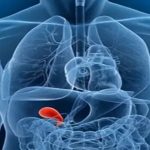
The bile ducts are thin channels that run from the liver to the gallbladder and duodenum. These ducts play an important role in the digestive process. When a blockage occurs, the flow of bile is blocked, putting pressure on the liver and digestive system. This can lead to symptoms such as jaundice, abdominal pain and digestive problems.
The blockage is often caused by malignant tumors, gallstones or pancreatic problems. The risk of malignant tumors increases in older age groups, especially in people over 50. Women are more prone to gallstones and are therefore at higher risk of obstruction than men. Chronic pancreatitis and some genetic conditions are also risk factors.
Pancreatic head tumors or narrowing of the bile ducts are one of the main causes of obstruction. At this point bile duct obstruction It builds up and puts pressure on the liver and gallbladder, blocking the flow of bile. Symptoms include jaundice, dark urine, light-colored stools and itching. Early diagnosis is critical to prevent serious complications.
Age, gender and existing health conditions are important factors affecting the risk of obstruction. Regular health checks and attention to dietary habits are especially important for those at risk. Fatty and heavy meals can increase bile production and exacerbate symptoms.
What Causes Bile Tract Obstruction?

Stones that form in the gallbladder can fall into the bile duct over time. These stones block the bile duct and prevent bile from passing into the intestines. In this case, symptoms such as jaundice, abdominal pain and darkening of urine color may occur.
Malignant tumors that develop in the bile ducts can lead to narrowing or complete closure of the duct. This is usually seen in older people.
If left untreated, they can cause serious complications. Tumors that form in the head of the pancreas put pressure on the area where the bile ducts pass and bile duct obstruction can be seen.
As a result of this pressure, the bile duct becomes blocked and jaundice may develop. In this type of cancer, obstruction is often one of the first symptoms. Infections in the bile ducts cause inflammation and edema. This can make bile flow difficult and cause obstruction.
Symptoms such as fever, chills and jaundice are common. Damage to the bile ducts occurs after intra-abdominal surgeries such as gallbladder surgery. As a result of this damage, narrowing or blockage may occur. These usually occur late in life.
Some babies are born with underdeveloped or narrow bile ducts. This prevents the flow of bile and can cause damage to the liver. It usually manifests itself with jaundice in infancy.
What are the Treatment Methods for Bile Duct Obstruction?
Bile duct obstruction Treatment is planned according to the cause and location of the obstruction and the patient's general health. The main goal of treatment is to restore bile flow, prevent liver damage and relieve the patient's symptoms. Therefore, a different approach may be required for each patient.
When an obstruction is detected, a stent is placed in the blocked area to restore bile flow. At the same time, any stones are removed or crushed.
Tumors or severe strictures in the bile ducts are surgically removed. In some cases, a new passage is created between the bile ducts and the intestines. This procedure is called bilijejunostomy.
In percutaneous transhepatic cholangiography and drainage, a needle is inserted into the skin and liver tissue to access the bile ducts. The level of obstruction is determined and drainage is provided. It is especially preferred in patients where endoscopic methods cannot be applied or fail.
In some cases, it may be possible to place a stent or perform surgery after the tumor has been reduced in size. The most appropriate treatment for each patient, bile duct obstruction It is determined according to the cause, location, general health status of the patient and existing diseases.