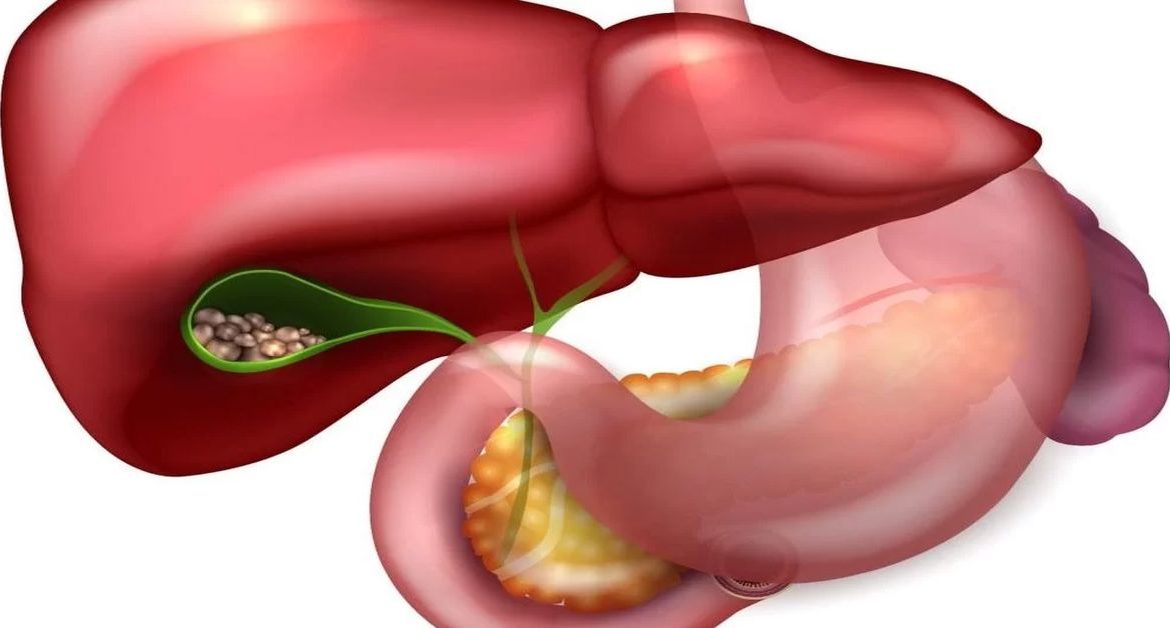
They are hard, crystalline stones found in the gallbladder. Gallstonesis formed as a result of crystallization of substances contained in the bile fluid. They are usually made up of cholesterol or pigments. While small stones may not cause symptoms, large stones can block the bile ducts, causing pain and digestive problems. Treatment depends on the size of the stones and symptoms.
Safra Kesesi Taşı Kimlerde Görülür?
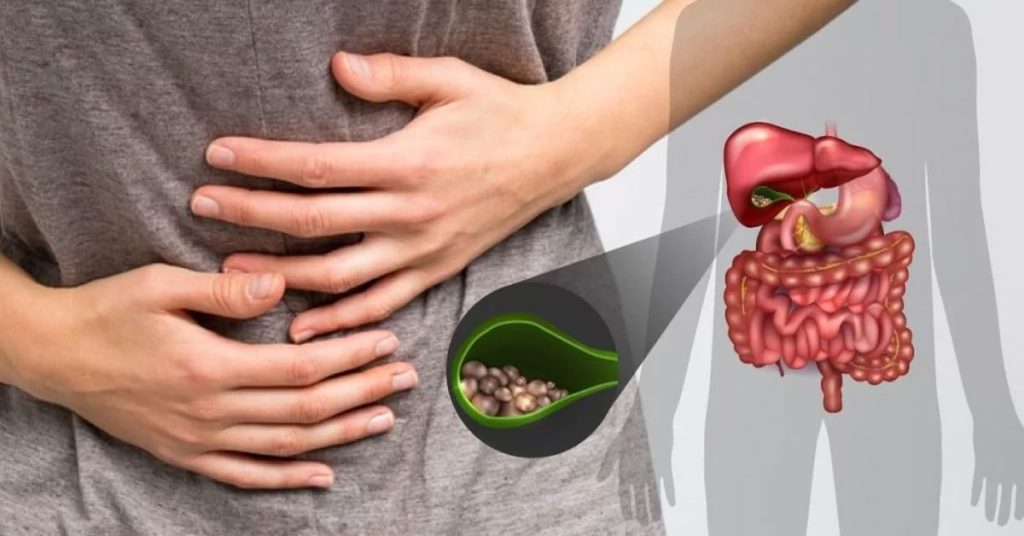
Safra kesesinde oluşan taşlar birçok kişide farklı belirtilerle ortaya çıkabilir. Bazı kişiler uzun süre hiçbir şikayet yaşamazken bazı kişilerde ağrı, mide bulantısı ve sindirim problemleri görülebilir. Özellikle yağlı yemeklerden sonra karın sağ üst kısmında rahatsızlık hissi oluşabilir.
Bu durum günlük yaşam kalitesini etkileyebilir. Kadınlarda ve ileri yaş grubundaki kişilerde gallbladder stones daha sık görülebilir. Fazla kilo problemi yaşayan bireylerde de risk artabilir. Hızlı kilo verme süreçleri de taş oluşumunu tetikleyebilir. Uzun süre düzensiz beslenmek veya yüksek yağ içeren besinleri sık tüketmek risk faktörleri arasında yer alabilir. Aile geçmişinde benzer rahatsızlık bulunan kişilerde görülme olasılığı artabilir.
Hamilelik döneminde hormonal değişimler nedeniyle safra akışında yavaşlama yaşanabilir. Bu durum bazı kişilerde taş oluşumuna zemin hazırlayabilir. Diyabet hastalarında ve kolesterol seviyesi yüksek bireylerde de risk artabilir. Hareketsiz yaşam tarzı sindirim sisteminin düzenini olumsuz etkileyebilir. Düzenli egzersiz yapılması ve dengeli beslenme alışkanlığı kazanılması koruyucu olabilir.
Gallstones bazı kişilerde şiddetli ağrılarla fark edilebilir. Özellikle yemek sonrası başlayan karın ağrısı dikkatle değerlendirilmelidir. Ağrıya ateş, mide bulantısı veya kusma eşlik ediyorsa uzman kontrolü gerekebilir. Erken değerlendirme sayesinde uygun tedavi planı oluşturulabilir. Düzenli doktor kontrolleri ve sağlıklı yaşam alışkanlıkları safra kesesi sağlığının korunmasına yardımcı olabilir.
Safra Kesesi Taşı Belirtileri Ve Nedenleri
Safra kesesinde oluşan sert yapılar zamanla sindirim sistemini etkileyebilir. Özellikle yağlı yemeklerden sonra karın bölgesinde rahatsızlık hissi oluşabilir. Bazı kişilerde mide bulantısı, şişkinlik ve hazımsızlık görülebilir. İlerlemiş durumlarda ağrı sırta ve omuza kadar yayılabilir. Bu belirtiler bazen günlük yaşamı zorlaştırabilir. Gallstones farklı boyutlarda oluşabilir.
Karın sağ üst kısmında hissedilen ani ağrılar en sık görülen şikayetlerden biridir. Ağrı genellikle yemek sonrası ortaya çıkabilir. Bazı kişilerde ateş ve kusma gibi belirtiler de görülebilir. Ciltte sararma oluşması safra yollarında tıkanıklık olduğunu gösterebilir. Bu durumda uzman değerlendirmesi önem taşır. Erken tanı sayesinde sürecin kontrol altına alınması kolaylaşabilir.
Taş oluşumunun birçok farklı nedeni bulunabilir. Düzensiz beslenme alışkanlıkları risk faktörleri arasında yer alabilir. Yüksek yağ ve kolesterol içeren besinlerin fazla tüketilmesi safra yapısını etkileyebilir. Hızlı kilo kaybı yaşayan kişilerde de taş oluşumu görülebilir. Hareketsiz yaşam tarzı sindirim sisteminin düzenini olumsuz etkileyebilir. Genetik yatkınlık da önemli nedenlerden biri olabilir.
Kadınlarda ve ileri yaş grubundaki bireylerde risk daha yüksek olabilir. Diyabet hastalarında ve fazla kilolu kişilerde görülme ihtimali artabilir. Düzenli egzersiz yapılması ve dengeli beslenme alışkanlığı kazanılması koruyucu olabilir. Sindirim sistemiyle ilgili şikayetlerin uzun sürmesi durumunda uzman kontrolü ihmal edilmemelidir. Erken değerlendirme sayesinde uygun tedavi süreci planlanabilir.
What are Gallbladder Stone Treatment Methods?
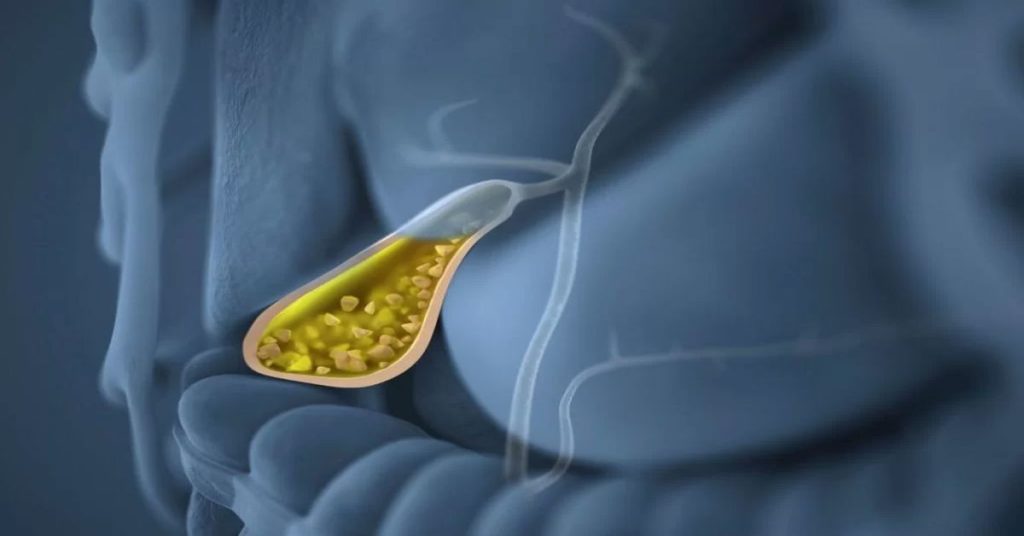
Safra kesesinde oluşan taşlar bazı kişilerde belirti vermeden ilerleyebilir. Ancak ağrı, mide bulantısı ve sindirim problemleri oluştuğunda tedavi gerekebilir. Tedavi yöntemi kişinin şikayetlerine, taşın boyutuna ve genel sağlık durumuna göre planlanır. Bazı durumlarda düzenli takip yeterli olabilir. Özellikle küçük taşlarda yaşam tarzı değişiklikleri önerilebilir.
Beslenme düzeninin değiştirilmesi tedavi sürecinde önemli olabilir. Yağlı ve ağır yiyeceklerin azaltılması sindirim sistemini rahatlatabilir. Düzenli su tüketimi ve kontrollü beslenme alışkanlıkları destekleyici olabilir. Bazı hastalarda ilaç tedavileri uygulanabilir. Bu ilaçlar taş oluşumunu azaltmaya yardımcı olabilir. Ancak her hastada aynı sonucu vermeyebilir. Bu nedenle uzman kontrolü önem taşır.
İleri şikayetlerde cerrahi yöntemler tercih edilebilir. Özellikle sık ağrı yaşayan kişilerde ameliyat önerilebilir. Günümüzde kapalı yöntemlerle yapılan ameliyatlar daha sık uygulanmaktadır. Bu yöntem sayesinde iyileşme süreci genellikle daha konforlu ilerleyebilir. Bazı durumlarda gallbladder stones ciddi tıkanıklıklara neden olabilir. Bu nedenle uzun süren şikayetlerin dikkatle değerlendirilmesi gerekir. Cerrahi planlama kişinin sağlık durumuna göre değişebilir.
Tedavi sonrası süreçte doktor önerilerine uyulması önemlidir. Dengeli beslenme alışkanlığı kazanılması sindirim sistemini destekleyebilir. Ameliyat sonrası ilk günlerde ağır yiyeceklerden uzak durulması önerilebilir. Düzenli kontroller sayesinde iyileşme süreci takip edilir. Karın ağrısı, ateş veya mide bulantısı gibi belirtiler devam ediyorsa uzman değerlendirmesi gerekebilir. Erken tanı ve doğru tedavi planı sayesinde günlük yaşam kalitesi korunabilir.
Safra Kesesi Taşı Tedavi Sonrası Süreç Nasıldır?
Safra kesesi tedavisi sonrası iyileşme süreci uygulanan yönteme göre değişebilir. Kapalı ameliyat uygulanan kişiler genellikle daha kısa sürede günlük yaşamlarına dönebilir. İlk günlerde hafif ağrı, yorgunluk ve sindirim hassasiyeti görülebilir. Bu durum çoğu kişide zamanla azalabilir. Doktor önerilerine uygun hareket edilmesi iyileşme sürecini destekleyebilir.
Tedavi sonrası beslenme düzenine dikkat edilmesi önemlidir. Özellikle ilk günlerde ağır ve yağlı yiyeceklerden uzak durulması önerilebilir. Daha hafif ve dengeli öğünler sindirim sisteminin rahatlamasına yardımcı olabilir. Düzenli su tüketimi de vücudun toparlanma sürecini destekleyebilir. Bazı kişilerde geçici gaz ve şişkinlik şikayetleri görülebilir. Bu belirtiler genellikle kısa süre içinde azalabilir.
Hastaların çoğu birkaç hafta içinde normal yaşam düzenine dönebilir. Ancak ağır kaldırmak ve yoğun fiziksel aktiviteler ilk dönemde sınırlandırılabilir. Doktor kontrollerinin aksatılmaması önem taşır. Olası enfeksiyon belirtileri dikkatle takip edilmelidir. Ateş, şiddetli ağrı veya ameliyat bölgesinde kızarıklık oluşması durumunda uzman değerlendirmesi gerekebilir. Düzenli kontroller sayesinde iyileşme süreci güvenli şekilde takip edilebilir.
Tedavi sonrası sağlıklı yaşam alışkanlıklarının sürdürülmesi önemlidir. Dengeli beslenme ve düzenli hareket sindirim sistemini destekleyebilir. Uzun süre devam eden mide bulantısı veya karın ağrısı gibi durumlarda yeniden değerlendirme yapılabilir. Gallstones sonrası doktor önerilerine uyulması yaşam konforunu destekleyebilir.